Showing posts with label liver. Show all posts

Tuesday, August 22, 2023

4 Points for detoxifying the body (by Spring Forest Qigong..Master Lin)


4 POINTS FOR DETOXIFYING 

THE BODY


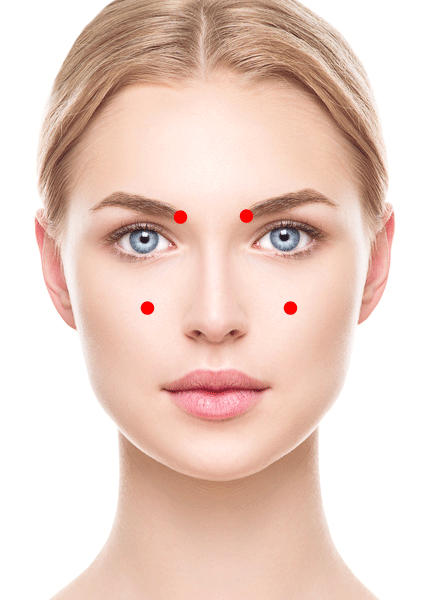
Bladder Energy Points


There are 4 Key Energy Points for Detoxifying 

the Body’s energy 

Two focus on the Bladder Channel which begins 

just off the bridge of the nose.

The 2 Points you want to stimulate to activate the 

Bladder Channel’s energy are located higher up 

- where the Eyebrows Begin just off the bridge of 

the nose.


This channel, the Bladder Channel, goes back to 

the back of the head, running down the outside along the spine, then out 

through the leg all the way down and out through the little toe.

Press on these points with your thumbs or fingers. You can

 press and massage in a circular way.

Or you can press deep.


When you massage deep you will feel a little depression there

 – when you press on it don’t do it too long. 5 seconds and then 

release and wait like 2 or 3 seconds and do it again. But, don’t press it too long.

This energy channel has the most acupuncture points or energy points or any 

energy channel in the body - more than 60 points, the others are like 14 or 20.

 This channel has more than 3 times as many points among the 12 major energy 

channels.

This channel helps to collect all the junk stuff, or blockages, or energy garbage 

from the Lungs, from the Liver, from all of the major internal organs and then 

releases it all out through the little toe.

This helps with sinuses, allergies, headaches, migraine headaches, dizziness, 

eyesight problems, fever, coughing, lots of things connecting to any of the major

organs.

That’s why these 2 points are very, very important. Massage and give a little 

pressure or give more pressure as it feels comfortable to you.

You can massage these points as often as you like. Try to massage for at least 

30 seconds each time - longer if you have more time.


Stomach Channel Points


The second set of 2 points are on the cheek bones, directly below the center of 

the eyes.

These points are where the Stomach Channel starts.

When you massage these points you can press massage with your fingers or 

thumbs - or you can tap them with your finger tips. Tap it firm to the level that 

feels good to you.

Tapping or massaging these points can help you to take care of your runny nose, 

or allergies.

It also helps to open all the energy blockages in the front of the body – down 

through the chest, breasts, to the lungs, the liver, from the thighs and way, way 

down to the second toe – releasing the energy out through the second toe.

You can massage these points as often as you like. Try to massage for at least 

30 seconds each time - longer if you have more time.

By tapping these 4 points it helps you to clear all of the energy blockages in the 

body. These are the 2 major energy channels for helping to dump the garbage out.

It’s like what the liver does with the physical toxins in the body – these 2 channels

take all the energetic “garbage” out.


Tuesday, March 28, 2023

Time restricted eating...Aligning food timing with circadian rhythms

 If you needed more motivation to start a time restricted eating program...here you go. Another great article from the Institute of Functional Medicine...

Chrononutrition: Food Timing, Circadian Fasting, and Resetting the Body’s Internal Clock

Circadian cycles are part of the body’s internal clock, and disruption to these biological rhythms may result in adverse health outcomes. Aligning meal timing with the body’s circadian cycle for optimal glucose and insulin responsiveness may be effective for improving metabolic health. In the field of chrononutrition, time-restricted feeding has been prominent in research, studied for its benefits on metabolic health and as a means for realigning and supporting the body’s internal clock. How do circadian considerations potentially benefit personalized health interventions for chronic disease treatment or prevention?


Timing influences human physiology. Circadian cycles are a property of the body’s internal clock, and disruption to these biological rhythms may result in adverse health outcomes. The field of chronobiology is dynamic and continues to elucidate the associations between circadian rhythms and health implications, from neurodegenerative risks to metabolic dysfunctions.1,2 Chrononutrition is the focused study of the relationship between food, metabolism, meal timing, and the circadian system. Is there metabolic benefit when aligning lifestyle behaviors such as food timing with the body’s internal clock? How do circadian considerations influence personalized health interventions for chronic disease prevention or treatment?

Aligning Food Timing With Circadian Rhythms

Most cells and tissues of the body show molecular clock activity and express cellular clock genes that contribute to tissue and system function. In metabolic processes, circadian-related components modulate the activation and expression of hormones, enzymes, and signaling pathways.3,4 Aligning meal timing with the body’s circadian cycle for optimal glucose and insulin responsiveness, as well as with hormones such as cortisol and leptin that are also affected by circadian oscillations,3 may be effective for improving metabolic health. A 2023 meta-analysis of nine RCTs (n=485 total participants) compared higher energy consumption earlier in the day with higher consumption later in the day on weight loss and metabolic parameters.5 Researchers reported a significantly greater weight loss in groups with higher energy intakes earlier compared to groups with high energy intake later in the day. In addition, significantly greater reductions in LDL cholesterol, fasting glucose, and insulin resistance (measured by HOMA-IR) were reported in groups with earlier energy intakes compared with later intakes.5

Both glucose tolerance and insulin sensitivity have been shown to be lower in the evening than in the morning,6which may contribute to an increased risk of metabolic dysfunctions for those who habitually eat meals during the evening hours. A 2020 meta-analysis (n=10 acute postprandial studies) investigated whether acute glucose and insulin responses after night-time meals (8 pm–4 am) differed from the responses after day-time meals (7 am–4 pm) in healthy adults.7 Results indicated that after an identical meal, the postprandial glucose and insulin responses were both significantly lower in the day compared to the night.7 Interestingly, specific to carbohydrate intake, a 2022 systematic review of eight randomized clinical trials (n=116 healthy adults) indicated that consumption of carbohydrates at night also led to higher postprandial glycemic values than morning consumption; however, no significant difference between morning and night carbohydrate consumption was found for postprandial insulin values.8

TIME-RESTRICTED FEEDING & CIRCADIAN REALIGNMENT

As the field of chrononutrition continues to expand and develop, time-restricted feeding (TRF) has been prominent in research, studied for its benefits on metabolic health and as a means for realigning and supporting the body’s circadian clock.9,10 As a form of circadian fasting, TRF is a dietary pattern that optimizes circadian elements by consuming food and beverage within a shortened window of time during the day, extending a person’s nightly fast to 12 hours or more. A 2022 systematic review of 22 TRF-related randomized controlled trials suggested that among adults with overweight/obesity, TRF may lead to improved insulin resistance and glycemic responsiveness throughout the day.11 Of note, most of the reviewed studies assessed the effects of a 16-hour fast/8-hour feeding regimen (day-time feeding window variable), with only one included study comparing the early TRF (eating between 6 am and 3 pm) with the mid-day TRF (eating between 11 am and 8 pm).11

Synchronizing lifestyle habits such as food timing with circadian biological rhythms has been studied in a range of health areas, including the management of non-alcoholic fatty liver disease,12,13 the reduction of blood pressure,14inflammation,15 reduced cognitive decline,16 and cancer risk.17 Evaluating the feasibility of this therapeutic nutritional approach continues to evolve. A recent pilot study tested the feasibility of implementing TRF in adults with overweight and obesity through a smartphone intervention.18 Fifty participants with a normal eating duration of 14 hours or more were enrolled. After the 90-day TRF trial, the average adherence to logging meal activities and to reducing eating windows was 64% and 47% respectively.18 Of note, 16 of the TRF participants reduced their eating window from an average of 16 hours to approximately 12 hours. In addition, decreases in body weight, waist circumference, and systolic blood pressure were reported.18

Chronotype & Personalized Nutrition

It is important to note that some patients may not be suitable candidates for therapeutic fasting treatments due to preexisting conditions. However, for some patients, TRF interventions that optimize circadian elements by encouraging energy intake earlier in the day and increasing the fasting window have the potential to improve metabolic outcomes.

As research develops, determining the optimal time period for TRF interventions (early TRF versus mid-day TRF) may be clarified. Ultimately, ideal eating times and habits could be associated with a patient’s chronotype. Genetic variations in clock genes contribute to varied circadian inclinations among individuals and may impact best sleep and meal schedules for any given person. Specific chronotypes, for example, an “early-bird” or “night-owl,” describes not only at what time a person is naturally inclined to sleep and to be awake but may also influence appetite and physical activity.19,20 Studies continue to investigate the impact of chronotype on disease development,21 and chrononutrition trials are beginning to explore chronotype influences on interventions for improved metabolic health.22

As part of a personalized, lifestyle-based approach, nutritional therapies tailored to the individual patient are crucial for effectiveness and sustainability. Circadian rhythms are just one component to consider when creating and implementing dietary interventions. A variety of factors such as potential underlying nutrient deficiencies, presentation of disease symptoms, food sensitivities, accessibility, and personal preferences may all shape personalized treatments. IFM’s suite of therapeutic food plans are all available for modification based on an individual’s health needs. Learn more about food plan personalization within the IFM framework and creating effective and sustainable nutrition-based strategies to promote health through the online course Therapeutic Food Plans: A Component of Personalized Nutrition.

Source: <https://www.ifm.org/news-insights/chrononutrition-food-timing-circadian-fasting-and-the-bodys-internal-clock/?utm_campaign=Newsletter&utm_medium=email&_hsmi=251085985&_hsenc=p2ANqtz-8T_k3YJCFivLIRpT-UCW4IK1x8vKKGfijKRnr4-astzNGhHDqTj9WiCepB_vUcJE-ZK70SXU68vmHZtY9rEmT8JsGpZA&utm_content=251085983&utm_source=hs_email>

References:

  • 1) Leng Y, Musiek ES, Hu K, Cappuccio FP, Yaffe K. Association between circadian rhythms and neurodegenerative diseases. Lancet Neurol. 2019;18(3):307-318. doi:1016/S1474-4422(18)30461-7
  • 2) Chaput JP, McHill AW, Cox RC, et al. The role of insufficient sleep and circadian misalignment in obesity. Nat Rev Endocrinol. 2023;19(2):82-97. doi:1038/s41574-022-00747-7
  • 3) Serin Y, Acar Tek N. Effect of circadian rhythm on metabolic processes and the regulation of energy balance. Ann Nutr Metab. 2019;74(4):322-330. doi:1159/000500071
  • 4) Flanagan A, Bechtold DA, Pot GK, Johnston JD. Chrono-nutrition: From molecular and neuronal mechanisms to human epidemiology and timed feeding patterns. J Neurochem. 2021;157(1):53-72. doi:1111/jnc.15246
  • 5) Young IE, Poobalan A, Steinbeck K, O’Connor HT, Parker HM. Distribution of energy intake across the day and weight loss: a systematic review and meta-analysis. Obes Rev. 2023;24(3):e13537. doi:1111/obr.13537
  • 6) Mason IC, Qian J, Adler GK, Scheer FAJL. Impact of circadian disruption on glucose metabolism: implications for type 2 diabetes. Diabetologia. 2020;63(3):462-472. doi:1007/s00125-019-05059-6
  • 7) Leung GKW, Huggins CE, Ware RS, Bonham MP. Time of day difference in postprandial glucose and insulin responses: systematic review and meta-analysis of acute postprandial studies. Chronobiol Int. 2020;37(3):311-326. doi:1080/07420528.2019.1683856
  • 8) de Almeida RS, Marot LP, Latorraca COC, Oliveira RÁ, Crispim CA. Is evening carbohydrate intake in healthy individuals associated with higher postprandial glycemia and insulinemia when compared to morning intake? A systematic review and meta-analysis of randomized crossover studies. J Am Nutr Assoc. Published online March 1, 2022. doi:1080/07315724.2022.2043199
  • 9) Adafer R, Messaadi W, Meddahi M, et al. Food timing, circadian rhythm and chrononutrition: a systematic review of time-restricted eating’s effects on human health. Nutrients. 2020;12(12):3770. doi:3390/nu12123770
  •  10) Zeb F, Wu X, Fatima S, et al. Time-restricted feeding regulates molecular mechanisms with involvement of circadian rhythm to prevent metabolic diseases. Nutrition. 2021;89:111244. doi:1016/j.nut.2021.111244
  •  11) Tsitsou S, Zacharodimos N, Poulia KA, Karatzi K, Dimitriadis G, Papakonstantinou E. Effects of time-restricted feeding and Ramadan fasting on body weight, body composition, glucose responses, and insulin resistance: a systematic review of randomized controlled trials. Nutrients. 2022;14(22):4778. doi:3390/nu14224778
  •  12) Perez-Diaz-Del-Campo N, Castelnuovo G, Caviglia GP, Armandi A, Rosso C, Bugianesi E. Role of circadian clock on the pathogenesis and lifestyle management in non-alcoholic fatty liver disease. Nutrients. 2022;14(23):5053. doi:3390/nu14235053
  • 13) Kord-Varkaneh H, Salehi-Sahlabadi A, Tinsley GM, Santos HO, Hekmatdoost A. Effects of time-restricted feeding (16/8) combined with a low-sugar diet on the management of non-alcoholic fatty liver disease: a randomized controlled trial. Nutrition. 2023;105:111847. doi:1016/j.nut.2022.111847
  •  14) Xie Z, He Z, Ye Y, Mao Y. Effects of time-restricted feeding with different feeding windows on metabolic health: a systematic review of human studies. Nutrition. 2022;102:111764. doi:1016/j.nut.2022.111764
  •  15) Ramos-Lopez O, Martinez-Urbistondo D, Vargas-Nuñez JA, Martinez JA. The role of nutrition on meta-inflammation: insights and potential targets in communicable and chronic disease management. Curr Obes Rep. 2022;11(4):305-335. doi:1007/s13679-022-00490-0
  •  16) Currenti W, Godos J, Castellano S, et al. Association between time restricted feeding and cognitive status in older Italian adults. Nutrients. 2021;13(1):191. doi:3390/nu13010191
  •  17) Palomar-Cros A, Espinosa A, Straif K, et al. The association of nighttime fasting duration and prostate cancer risk: results from the Multicase-Control (MCC) study in Spain. Nutrients. 2021;13(8):2662. doi:3390/nu13082662
  •  18)Prasad M, Fine K, Gee A, et al. A smartphone intervention to promote time restricted eating reduces body weight and blood pressure in adults with overweight and obesity: a pilot study. Nutrients. 2021;13(7):2148. doi:3390/nu13072148
  •  19) Beaulieu K, Oustric P, Alkahtani S, et al. Impact of meal timing and chronotype on food reward and appetite control in young adults. Nutrients. 2020;12(5):1506. doi:3390/nu12051506
  •  20) Sempere-Rubio N, Aguas M, Faubel R. Association between chronotype, physical activity and sedentary behaviour: a systematic review. Int J Environ Res Public Health. 2022;19(15):9646. doi:3390/ijerph19159646
  •  21) Barrea L, Vetrani C, Altieri B, et al. The importance of being a ‘lark’ in post-menopausal women with obesity: a ploy to prevent type 2 diabetes mellitus? Nutrients. 2021;13(11):3762. doi:3390/nu13113762
  •  22) Mazri FH, Manaf ZA, Shahar S, Mat Ludin AF, Abdul Basir SM. Development and evaluation of integrated chrono-nutrition weight reduction program among overweight/obese with morning and evening chronotypes. Int J Environ Res Public Health. 2022;19(8):4469. doi:3390/ijerph19084469

  • Related Articles

    CHRONOBIOLOGY: THE DYNAMIC FIELD OF RHYTHM AND CLOCK GENES

    CIRCADIAN FASTING & PRECURSORS TO HEART HEALTH

    PERSONALIZING NUTRITIONAL INTERVENTIONS

    Wednesday, August 3, 2022

    ARE DIABETICS BEING CHEATED...


    Are Diabetics Being Cheated?

    Ronald Grisanti D.C., D.A.B.C.O., D.A.C.B.N., M.S., CFMP

    A recent patient was concerned that despite watching her diet and taking her diabetes medication her hemoglobin A1C (HbA1c) keeps going up.

    Remember, HbA1c is a lab test that shows the average level of blood sugar (glucose) over the previous 3 months. It shows how well you are controlling your diabetes. 

    An elevated HbA1c greater than 5.7% indicates that the diabetes is not well regulated and is in fact accelerating aging, increasing your chances of getting painful neuropathies, kidney failure needing dialysis, cataracts, amputations, and retinopathy blindness.

    What could possibly be missed by her primary doctor?

    One major cause of the unregulated glycosylated hemoglobin is an unrecognized B6 deficiency.

    An excellent “functional” test to check for a pyridoxine (B-6) deficiency is the xanthurenate organic acid test. An elevated xanthurenate test is a sensitive marker for a B-6 deficiency.


    This is an Organic Acid Test from Genova
    This is an Organic Acid Test from Genova

    But wait.. there is more to the story.

    You can take B-6 and it may not work.

    Why?

    Because of a zinc deficiency.

    When hidden zinc deficiency is present, the body cannot convert B6 to its active form, pyridoxal-5-phosphate or P5P. P5P, essential in normalizing the glycosylated hemoglobin and its deficiency, is an indicator that improperly metabolized sugars are accelerating aging, cataracts, kidney failure, heart disease, nerve damage and more.

    This is the intracellular nutrient test from Doctor's Data
    This is the intracellular nutrient test from Doctor's Data

    But there is more to the story.

    Elevated stored phthalates (plastics) in the body interfere with zinc metabolism.

    This is a Phthalate Test from Genova
    This is a Phthalate Test from Genova

    This is the power of functional medicine. Seeking to find the cause of the cause of the cause.

    HbA1c ---> B-6 deficiency ---> Zinc deficiency ---> Stored Phthalates

    I have never yet met a diabetologist who even orders the above much less knows how to interpret it.

    To ignore fixing the chemistry in an overtly metabolic disease is outright wrong.

    Unfortunately, what I have seen from reading thousands of medical records is the fact that most doctors merely resort to the one size fits all approach and medicate the disease. Rarely if ever have I read where a doctor investigated why the HA1C was elevated.

    This results in a tragic waste of life as well as incurring an enormous and unnecessary expense and suffering.

    You may be interested to know that because of the phthalate load, many folks (even without diabetes) unnecessarily get multiple diseases. These can range from Nonalcoholic steatohepatitis or NASH (a common, often “silent” liver disease), heart disease or cancers to Parkinson's disease, arthritis, or Alzheimer's.

    Clearly they all lead to accelerated aging because of the shared causes.

    For a doctor to check your glycosylated hemoglobin A1C every 3 months yet never know your zinc and B6 levels (among many others) is plain wrong in this sophisticated era.

    Your life depends on the decisions you make. This information has a huge bearing on whether your diabetes blinds you in future years.


    References:

    Depeint F, et al, Mitochondrial function and toxicity: Role of B vitamins, one-carbon transfer pathways, Chemico-Biological Interactions 163:113-32, 2006

    Jain SK, et al, Pyridoxine and pyridoxamine inhibits superoxide radicals and prevents lipid peroxidation, protein glycosylation and (Na+ + K+)-ATPase activity reduction in high glucose-treated human erythrocytes, Free Rad Biol Med 30:232-37, 2001

    Onarato JM, et al, Pyridoxamine, an inhibitor of glycation reactions, also inhibits lipid peroxidation reactions, J Biol Chem, 275:21177-84, 2000

    Metz TO, et al, Pyridoxamine traps intermediates in lipid peroxidation reactions in vivo: evidence on the role of lipids and chemical modification of protein and development of diabetic complications, J Biol Chem 278:42012-19, 2003

    Booth AA, et al, Thiamine pyrophosphate and pyridoxamine inhibit the formation of antigenic advanced glycation endproducts: comparison with aminoguanidine, Biochem Biophys Res Commun, 220:113-19, 1996

    Stitt A, et al, The AGE inhibitor pyridoxine and inhibits development of retinopathy in experimental diabetes, Diabetes 51:2826-32, 2000

    Laines-Cessac P, et al, Mechanisms of the inhibition of human erythrocyte pyridoxal kinase by drugs, Biochem Pharmacol 54:863-70, 1997

    The information on this website is not intended to replace a one-on-one relationship with a qualified health care professional and is not intended as medical advice. It is intended as a sharing of knowledge and information from the research and experience of Dr. Grisanti and his community. Dr. Grisanti encourages you to make your own health care decisions based upon your research and in partnership with a qualified health care professional. Visit www.FunctionalMedicineUniversity.com to find practitioners thoroughly trained in functional medicine. Look for practitioners who have successfully completed the Functional Medicine University's Certification Program (CFMP).  

    Tuesday, November 30, 2021

    Energy and creating health from the inside out.

     You are energy. I’m guessing this is not news to you and if it is, I’m sorry that it has taken you so long to find this out.

    You vibrate at a certain frequency and when you are healthy your energy is vibrant and bright and uplifting. When you are unhealthy, you energy is lower and not as bright or vibrant and it tends to impact the energy around you too.

    Your thoughts and feelings impacts the energy you vibrate at. Love, joy, laughter, all have a high frequency that uplifts your energy and vibrations as well as the energy around you. Your thoughts and feelings can affect the expression of this energy by either uplifting and making it more vibrant (raising the frequency) or it can lower the frequency, lowering the vibration.

    We also tend to attract the same frequency of energy we emit, (Vibrate at), more on that later.

    We have thousands of thoughts in a day and this affects us on an emotional level. To know what your predominant thoughts are, all you have to do is check in with how you are feeling. Are your thoughts uplifting? Do you feel energized , good, empowered? If not, then your predominant thoughts or your monkey mind is circling around “negative” thoughts. I hate to label it, but for ease of explanation, let’s just go with that. Your words have power too and they either uplift the receiver or not. More often than not you are the receiver of your thoughts and words. We talk to ourselves all day long…make sure that your thoughts about and to yourself are uplifting and empowering, because these same self chatter and thoughts impact your health and wellbeing. They impact how high or low your energy/vibrations are, which in turn affects your Immune system. Your thoughts, words and feelings impact your bodies ability to hurt or heal on the inside as well as the outside.

    Your emotions effect various organs and systems and are “stored” in these organs…

    Lungs: grief, worries and anxiety...or… integrity and dignity

    Kidneys: fear…or…wisdom, confidence and inner knowing

    Liver: anger….or…kindness

    Heart: excitement, zealousness, excess, hate…or…peace and calm and love.

    Spleen: pensiveness and excess empathy…or…Secure and rooted in self, trust, acceptance

    This is just to name a few…Your major energy centers or wheel/vortex of energy, or chakras as they are called in Sanskrit, carry many other emotional attributes. I cover this is greater detail (upcoming video)  on my YouTube channel: Next Level Wholeness by Natural Health Haven.

    It is important to go within and discover what emotions are trapped in various organs and energy centers and heal/release them to allow the stuck energy to be freed and increase the vibration/frequency of the organs and your body as a whole. 

    I am mentioning this as there tends to be a lot of focus on eating healthy, exercise, detoxification etc. but not enough emphasis is being put on detoxing the emotions and the thoughts and the toxic belief systems that keep our energies hostage/stuck and continue to lower our vibrations, making us more susceptible to dis-ease and destruction.

    Our brain are very powerful forces in creating our inner and outer world and it has become imperative to take back your brain. Master your thoughts, your energy and create a healthier body and a healthier world.

    Loving yourself will make the choices of what you consume, how you act, speak and think on all levels more loving and thus of the highest frequency. You will then share that vibrant love and frequency with everyone and everything around you. Imagine a world where everyone loves themselves unconditionally….the choices we make from that space, that vibration is beyond anything you can imagine….Utopia. We can truly create a better world by paying attention to our own inner world and raising the energy/vibrations but loving ourselves from the inside out.


    Monday, June 21, 2021

    The liver and why you have one...

     What is the liver?  

    Your liver is your body’s largest solid organ. On average, it weighs around 3 pounds in adulthood and is roughly the size of a football. This organ is vital to the body’s metabolic, detoxification, and immune system functions. Without a functioning liver, a person cannot survive.

    The liver’s position is mostly in the right upper portion of the abdomen, just below the diaphragm. A portion of the liver is located in the left upper abdomen as well. The gallbladder, where bile is stored, is found in a small hollow on the underside of the liver.

    What’s the purpose of the liver?

    The liver’s major functions are in the metabolic processes of the body. These include:

    • breaking down or converting certain substances
    • balancing energy metabolism by converting glycogen to glucose and storing extra glucose by converting it to glycogen
    • making toxins less harmful to the body and removing them from the bloodstream

    The liver does this by receiving blood with nutrients from the digestive organs via a vein known as the hepatic portal vein. With the help of vitamin K, the liver produces proteins that are important in blood clotting. It is also one of the organs that break down old or damaged blood cells.

    The many cells of the liver, known as hepatocytes, accept and filter this blood. They act as little sorting centers, determining:

    • which nutrients should be processed
    • what should be stored
    • what should be eliminated via the stool
    • what should go back to the blood

    The liver stores fat-soluble vitamins as well as minerals such as copper and iron, releasing them if the body needs them. It also helps to break down fats in a person’s diet. It either metabolizes fats or releases them as energy.

    The liver plays a central role in all metabolic processes in the body. In fat metabolism the liver cells break down fats and produce energy. They also produce about 800 to 1,000 ml of bile per day. This yellow, brownish or olive green liquid is collected in small ducts and then passed on to the main bile duct, which carries the bile to a part of the small intestine called the duodenum. Bile is important for the breakdown and absorption of fats.

    In the metabolism of carbohydrates, the liver helps to ensure that the level of sugar in your blood (blood glucose) stays constant. If your blood sugar levels increase, for example after a meal, the liver removes sugar from blood supplied by the portal vein and stores it in the form of glycogen. If someone’s blood sugar levels are too low, the liver breaks down glycogen and releases sugar into the blood. As well as sugar, the liver also stores vitamins and minerals (iron and copper), and releases them into the blood when needed.

    The liver also produces an estimated 800 t0 1000ml of bile each day. This bile is transported via bile ducts that eventually join and form the common bile duct that flows into the small intestine. The small intestine uses the bile to further help with break down and absorption of fats. Extra bile is stored in the gallbladder.

    The liver produces and breaks down proteins as well. The byproduct of breaking down amino acid proteins is called ammonia, which can be toxic to the body in large amounts. The liver turns the toxic ammonia into a substance called urea. The liver releases this into the blood where the kidneys excrete it via the urine. The liver also removes alcohol from the blood, as well as affects many medications a person takes.

    As if these functions weren’t enough, the liver also plays major roles in the following:

    • creating immune system factors that can fight against infection
    • creating proteins responsible for blood clotting
    • breaking down old and damaged red blood cells
    • storing extra blood sugar as glycogen

    When taking all this into consideration, it’s easy to see how important the liver is to a person’s health.

    The liver is a half-moon shaped organ that’s fairly straight on the bottom. It’s tilted slightly in the body’s cavity, with the left portion above the stomach and the right portion above the first part of the small intestine.

    Compared to the rest of the body, the liver has a significant amount of blood flowing through it — an estimated 13 percent of the body’s blood is in the liver at any given time.

    The liver is truly an amazing organ in that it has the capacity to regenerate. This means that after an injury or surgery to remove tissue, the liver tissue can grow back to a certain extent.

    The liver starts growing back by having the existing cells enlarge. Then, new liver cells start to multiply.

    Within a week after removing two-thirds of the liver, the liver can return to the same weight it was before surgery. The liver has been known to regenerate completely after as many as 12 partial liver removal surgeries.

    Unfortunately, there are many diseases that can affect the liver and its functioning. Examples of common conditions that affect the liver include:

    Autoimmune hepatitis

    This condition occurs when the body’s immune system attacks itself and destroys healthy liver tissue. Autoimmune hepatitis can lead to cirrhosis and other liver damage.

    Biliary atresia

    Biliary atresia is a condition that adversely affects a person’s bile ducts and bile flow from when they’re an infant. If left untreated, the condition can cause liver scarring and affect liver tissue.

     Cirrhosis

    Cirrhosis is a condition where scar tissue replaces healthy liver tissue. A number of conditions can cause cirrhosis. They include long-term excessive alcohol use, chronic hepatitis, or rare genetic disorders, such as Wilson’s disease.

    Hemochromatosis

    This condition causes an excess of iron to build up in the body. Too much iron can damage the liver, sometimes causing cirrhosis.

    Hepatitis A

    Hepatitis generally refers to a viral infection that causes liver inflammation, although there are other possible causes of hepatitis. The hepatitis virus types have different letters, including A, B, C, D, and E. Each has a different cause and severity.

    Hepatitis A is more common in developing countries without clean drinking water and with poor sanitation systems. Most people can recover from hepatitis A without liver failure or long-term complications.

    Hepatitis B

    Hepatitis B can cause a short or long-term infection. The younger you are when infected, the higher the risk for long-term infection. While in U.S. adults the disease is most commonly spread through sexual contact, a person can also get it through sharing needles or accidentally sticking themselves with a contaminated needle.

    The condition can cause serious complications, including liver failure and cancer. There’s a vaccination you can get against the disease.

    Hepatitis C

    Hepatitis C can be an acute or chronic infection, however the majority of acute hepatitis C infections will turn chronic. It’s most commonly spread by contact with blood containing the hepatitis C virus in it, which includes sharing contaminated needles to inject drugs or apply tattoos. Although less common, transmission through sexual intercourse can occur.

    This condition can cause inflammation that can lead to cirrhosis, liver failure, and liver cancer.

    Nonalcoholic fatty liver disease and NASH

    These are conditions where fat builds up in the liver. An excess of fat can damage the liver, causing inflammation.

    Nonalcoholic steatohepatitis (NASH) is a form of nonalcoholic fatty liver disease that causes scarring or fibrosis. People who are obese or have conditions relating to obesity, such as type 2 diabetes, are more likely to have this disease.

    The takeaway

    The liver has many functions in the body as well as an amazing capacity to regenerate itself. Without it, a person couldn’t gain energy from food or break down fats and proteins in their daily diets.

    However, there are many medical conditions that can affect a person’s liver function. This is especially true if a person is a heavy drinker, as excess alcohol can place too great a strain on the liver’s function.

    Maintaining a healthy weight and practicing balanced eating and exercise habits can help you maintain your liver health.


    The good news is there are several different nutrients and herbs to bolster your liver health.

    It is always a good idea to check with your health practitioner which are the best and most beneficial for your particular condition.


    (information gained from educational platforms: -

    healthline.com)