Friday, September 22, 2023

Sleep Dysfunction and the Microbiome


Sleep is a dynamic process that affects every system of the body, and the interplay of different environmental and lifestyle factors influences sleep quality and architecture.1 

Recent research suggests that some of these factors may influence sleep via the microbiota-gut-brain axis, both directly and indirectly.1-3 What is the connection between lower sleep quality and quantity and a dysbiotic gut microbiome? What emerging interventions targeting the microbiota-gut-brain axis may be beneficial for the treatment of impaired sleep patterns?

From a young age, microbial communities within the body interact with the sleep-wake cycle in a complex manner.1The gut microbiome, which produces a variety of metabolites and compounds with neuroactive and immunomodulatory properties, including short-chain fatty acids, secondary bile acids, and neurotransmitters, may affect brain function and behavior through the microbiota-gut-brain axis.4 These microbial products are also involved in sleep physiology.3 While the mechanisms underlying the microbiota-gut-brain axis are not fully understood, some evidence has suggested that neuroendocrine, immune, and metabolic pathways may regulate interactions.3

Growing evidence reports a positive correlation between sleep efficiency and the diversity of the gut microbiota from childhood through adulthood.3 For example, a recent study of 143 largely Caucasian children ages 3-4 found that children with a high total nighttime sleep duration (average 9.48 hours), greater sleep efficiency, and less time awake at night showed a higher relative abundance of Bifidobacterium and Bacteroides.5 Both bacteria have been linked to sleep-related neurochemicals in previous studies, such as serotonin and its precursors tryptophan and gamma-aminobutyric acid. In the 2022 study by Wang et al, five taxa showed greater abundance in children who had shorter night-time sleep duration, less sleep efficiency, and longer waking time, including BlautiaCoprococcus, and other Lachnospiraceae.5

Evaluating individuals with healthy sleep quality, a 2020 pilot study of 28 young adults by Grosicki et al found higher proportions of the abundance of Blautia and Ruminococcus (belonging to Firmicutes), lower proportion of Prevotella(belonging to Bacteroidetes), and higher ?-diversity of the gut microbiota among individuals reporting superior sleep quality.6 Researchers hypothesize that sleep quality may be positively correlated with the ratio of Firmicutes/Bacteroidetes and microbial diversity.3,6

A 2021 cross-sectional pilot study found that adult short sleepers have different microbial composition, such as an increased abundance of the bacteria Pseudomonas (0.14% vs. 0.08%) in feces and a lower abundance of Sutterella(0.38% vs. 1.25%) compared to normal length sleepers.1,7 Interestingly, Sutterella has been associated with lower relative abundance in patients with depression and may play a role in the microbiota-gut-brain axis.7 Several other studies indicate that a lower sleep quantity and quality are associated with a dysbiotic gut microbiome characterized by a lower microbial diversity, an increase of pathogenic microbiota, or the loss of beneficial microbes.4,8-9

Sleep-Related Disorders & the Microbiome

 OBSTRUCTIVE SLEEP APNEA (OSA)

OSA leads to fragmented night sleeping and daytime sleepiness due to episodes of obstruction of the upper airway; it is accompanied by repeated sleep fragmentation and forced awakening from sleep due to airway collapse.1,3Studies suggest that those suffering from OSA may have a prolonged N1 stage and a shortened REM sleep stage.3

Evidence suggests that intermittent hypoxia may result in changes to the gut microbiota, including increased Firmicutes richness and decreased Bacteroidetes richness, as well as decline in ?-diversity.3,10 A 2020 pilot study in children with OSA showed a significant decrease in gut microbial diversity compared to healthy children and an increase of inflammation and gut barrier disruptor–related strains.1,3,11 In 2019, Ko et al found gut microbial dysbiosis, in varying degrees, in adults with OSA-hypopnea syndrome.1,12 Specifically, short-chain fatty acid–producing bacteria was decreased and the level of interleukin-6 was increased compared to controls.1,12

More recently, a 2023 prospective case control study of 48 Chinese adults age 18-65 found that the severity of OSA was related to differences in the structure and composition of the fecal microbiome.13 Enriched Fusobacterium, Megamonas, and Lachnospiraceae_UCG_006 and reduced Anaerostipes was found in patients with severe OSA. Enriched Ruminococcus_2, LachnoclostridiumLachnospiraceae_UCG_006, and Alloprevotella was found in patients with high intestinal barrier biomarkers. Lachnoclostridium and Lachnospiraceae_UCG_006 were the common dominant bacteria of OSA and intestinal barrier damage. Fusobacterium and Peptoclostridium were independently associated with apnea-hypopnea index. The dominant genera of severe OSA were also associated with glucose, lipids, neutrophils, monocytes, and BMI.13

INSOMNIA

A range of psychiatric and inflammatory disorders as well as metabolic syndromes are comorbid with insomnia.2,14Marked changes in gut microbiota diversity and composition was found by Liu et al in 2019 among 10 chronic insomnia patients compared to 10 healthy controls.1,15 A later study by Li et al observed a decrease in microbiome diversity in acute and chronic insomnia patients, with greater effects on bacterial diversity found in patients with disordered sleep.1,13 These individuals also show an increase in the inflammatory cytokine interleukin-1?.13 Both of these studies noted that an increase of Bacteroidetes phylum could be a biomarker to identify insomnia.1

A 2022 multiomics analysis reveals that the composition and structure of gut microbiota and metabolism in insomnia patients differs from healthy controls.14 Compared to healthy controls, the relative abundances of LactobacillusStreptococcus, and Lactobacillus crispatus were significantly increased in people with insomnia. (Lactobacilli possess several health-ameliorating attributes, including alleviation of chronic diseases, immune system stimulation, pathogen protection, and nutritional physiology.)14 Five metabolic pathways in patients with insomnia differed between the two groups as well, including glycerophospholipid metabolism; glutathione metabolism; nitrogen metabolism; alanine, aspartate, and glutamate metabolism; and aminoacyl-tRNA biosynthesis.15Researchers also found that IL-1? levels were significantly higher in insomnia patients while TNF-? was significantly reduced; the changes in the level of IL-1? and TNF-? were associated with some specific bacteria and metabolites, such as Prevotella amniiPrevotella buccalisPrevotella timonensis, and Prevotella colorans.15

Clinical Applications: Microecological Therapy

A novel treatment strategy referred to as microecological therapy has emerged, featuring several potential interventions targeting the gut microbiota to improve sleep quality and quantity.3 The targets of this therapy include regulating the abundance of specific bacterial groups, microbial metabolites, intestinal barrier function, and host immune response. Evidence suggests that microbiota manipulations like dietary interventions and the use of probiotics may be beneficial for the treatment of impaired sleep.3

PROBIOTICS

Although probiotics are transient visitors, they play a role in shifting the overall balance of the microbiome, modulating the immune system, and decreasing inflammation.18 Consuming probiotics in foods or supplements may encourage colonization of commensal organisms over time.18 Studies suggest that probiotics may improve sleep latency, sleep quality and duration, sleepiness upon wakening, and recovery from fatigue.19-21

A 2023 systematic review and meta-analysis of six studies showed significant improvement in sleep quality of 343 healthy adults with mild to moderate stress as an effect of daily consumption of L. gasseri compared to controls (-0.77, 95% CI -1.37 to-0.16, P=0.01).21 In addition to the cumulative beneficial effect shown using the PSQI global score, four of six studies reported a statistically significant positive effect of L. gasseri on sleep quality as indicated by at least one of the Pittsburgh Sleep Quality Index component scores (sleep latency, duration of sleep, sleep disturbance, and daytime dysfunction due to sleepiness).21

In a group of 94 healthy medical students from Japan studying for national exams, researchers found that sleep latency prolongation was less in the intervention group that received Lacticaseibacillus casei strain Shirota.4,19 EEG measurements also showed that, as the examination approached, the time spent in NREM stage 3 sleep was reduced in the placebo group but maintained in the intervention group. In this double-blind, randomized, placebo-controlled trial, researchers also found a reduction of the mean Pittsburgh Sleep Quality Index (PSQI) score, indicating improved sleep quality among the intervention group compared to the placebo group.4,19 

In a 2018 randomized crossover study, 40 adults aged 20-64 consumed either Lactobacillus helveticus or placebo for four weeks.4,20 Sleep efficiency was measured as the total time spent in REM and NREM sleep divided by the total time from sleep onset to awakening. The researchers found that sleep efficiency significantly improved in the intervention group compared with placebo, including improved sleepiness on awakening, onset and maintenance of sleep, dreaming, and recovery from fatigue. It is important to note that the intervention group also received theanine, which has stress-reducing effects, while the placebo group did not.4,20

MEDITERRANEAN DIET

Nutritional imbalances are potential contributors or causes of several chronic conditions, and nutrition-based interventions are fundamental components of many therapeutic strategies used to combat chronic illness and restore optimal health. These personalized treatments may include therapeutic food plans like the Mediterranean diet, a plant-based, antioxidant-rich, unsaturated fat dietary pattern that has been consistently associated with lower rates of disease and total mortality.22 Studies indicate that greater adherence to the Mediterranean diet may be associated with adequate sleep duration and with several indicators of better sleep quality. For example:

  • In 2018, Castro-Diehl et al found that a Mediterranean-style diet was associated with adequate sleep duration and fewer insomnia symptoms.23,24 This cross-sectional, multi-ethnic study of 2,068 adults with atherosclerosis found that compared with individuals who currently reported a low aMed score, those with a moderate-high aMed score were more likely to sleep 6-7 vs. <6 hr/night (p <0.01) and less likely to report insomnia symptoms occurring with short sleep (vs. no insomnia or short sleep alone; p <0.05). An increase in aMed score over the preceding 10 years was not associated with sleep duration or insomnia symptoms. However, compared with those with decreasing aMed score, individuals with an unchanging score reported fewer insomnia symptoms (p ?0.01).23,24
  • In a 2019 cross-sectional study of 1,314 Southern Italian adults, a higher adherence to the Mediterranean diet was associated with a higher likelihood of adequate overall sleep quality (highest vs. lowest quartile, OR=1.82, 95% CI: 1.32, 2.52).25 Interestingly, in a sub-analysis of this study, researchers found the benefit of the Mediterranean diet on sleep latency was observed in normal and overweight individuals (highest vs. lowest quartile of adherence score, OR=2.30, 95% CI: 1.49, 3.54) but was not evident in the obese (highest vs. lowest quartile of adherence score, OR=1.12, 95% CI: 0.33, 3.79).22,25
  • In a 2021 cross-sectional study of 2,169 Costa Rican adults (1,600 men and 569 women), the association between sleep duration and adherence to the Mediterranean diet differed between men and women. In women only, a lower adherence to the Mediterranean diet was associated with shorter sleep duration, a finding that researchers say was primarily driven by lower consumption of fruits, vegetables, and legumes.26 However, the literature is inconsistent regarding whether associations between sleep and diet are gender based. For example, a 2020 study conducted among young adults 21 to 30 years old found that men with lower fruit and vegetable intake had a higher risk of insomnia as compared to women.26,27

Functional Medicine Considerations

Taken together, these studies illustrate the important connection between the gut microbiome and sleep patterns. Screening patients for sleep disorders is encouraged as a regular practice in functional medicine, and there are a range of effective lifestyle interventions for patients suffering from poor sleep. A close working relationship between clinician and patient can help identify sleep troubles early on so that they may be targeted with behavioral and lifestyle therapies to prevent or reverse further damage.

References:

  1. 1) Wang Z, Wang Z, Lu T, et al. The microbiota-gut-brain axis in sleep disorders. Sleep Med Rev. 2022;65:101691. doi:1016/j.smrv.2022.101691
  2. 2) Sen P, Molinero-Perez A, O’Riordan KJ, et al. Microbiota and sleep: awakening the gut feeling. Trends Mol Med. 2021;27(10):935-945. doi:1016/j.molmed.2021.07.004
  3. 3) Han M, Yuan S, Zhang J. The interplay between sleep and gut microbiota. Brain Res Bull. 2022;180:131-146. doi:1016/j.brainresbull.2021.12.016
  4. 4) Haarhuis JE, Kardinaal A, Kortman GAM. Probiotics, prebiotics and postbiotics for better sleep quality: a narrative review. Benef Microbes. 2022;13(3):169-182. doi:3920/bm2021.0122
  5. 5) Wang Y, van de Wouw M, Drogos L, et al. Sleep and the gut microbiota in preschool-aged children. Sleep. 2022;45(6):zsac020. doi:1093/sleep/zsac020
  6. 6) Grosicki GJ, Riemann BL, Flatt AA, Valentino T, Lustgarten MS. Self-reported sleep quality is associated with gut microbiome composition in young, healthy individuals: a pilot study. Sleep Med. 2020;73:76-81. doi:1016/j.sleep.2020.04.013
  7. 7) Agrawal R, Ajami NJ, Malhotra S, et al. Habitual sleep duration and the colonic mucosa-associated gut microbiota in humans—a pilot study. Clocks Sleep. 2021;3(3):387-397. doi:3390/clockssleep3030025
  8. 8) Matenchuk BA, Mandhane PJ, Kozyrskyj AL. Sleep, circadian rhythm, and gut microbiota. Sleep Med Rev. 2020;53:101340. doi:1016/j.smrv.2020.101340
  9. 9) Simkin DR. Microbiome and mental health, specifically as it relates to adolescents. Curr Psychiatry Rep. 2019;21(9):93. doi:1007/s11920-019-1075-3
  10. 10)  Zhang X, Wang S, Xu H, et al. Metabolomics and microbiome profiling as biomarkers in obstructive sleep apnoea: a comprehensive review. Eur Respir Rev. 2021;30(160):200220. doi:1183/16000617.0220-2020
  11.  11) Valentini F, Evangelisti M, Arpinelli M, et al. Gut microbiota composition in children with obstructive sleep apnoea syndrome: a pilot study. Sleep Med. 2020;76:140-147. doi:1016/j.sleep.2020.10.017
  12.  12) Ko CY, Liu QQ, Su HZ, et al. Gut microbiota in obstructive sleep apnea-hypopnea syndrome: disease-related dysbiosis and metabolic comorbidities. Clin Sci (Lond). 2019;133(7):905-917. doi:1042/cs20180891
  13.  13) Li Q, Xu T, Shao C, et al. Obstructive sleep apnea is related to alterations in fecal microbiome and impaired intestinal barrier function. Sci Rep. 2023;13(1):778. doi:1038/s41598-023-27784-0
  14.  14) Rastogi S, Singh A. Gut microbiome and human health: exploring how the probiotic genus Lactobacillusmodulate immune responses. Front Pharmacol. 2022;13:1042189. doi:3389/fphar.2022.1042189
  15.  15) Wang Q, Chen B, Sheng D, et al. Multiomics analysis reveals aberrant metabolism and immunity linked gut microbiota with insomnia. Microbiol Spectr. 2022;10(5):e0099822. doi:1128/spectrum.00998-22
  16.  16) Liu B, Lin W, Chen S, et al. Gut Microbiota as an objective measurement for auxiliary diagnosis of insomnia disorder. Front Microbiol. 2019;10:1770. doi:3389/fmicb.2019.01770
  17.  17) Li Y, Zhang B, Zhou Y, et al. Gut microbiota changes and their relationship with inflammation in patients with acute and chronic insomnia. Nat Sci Sleep. 2020;12:895-905. doi:2147/nss.s271927
  18.  18) Mazziotta C, Tognon M, Martini F, Torreggiani E, Rotondo JC. Probiotics mechanism of action on immune cells and beneficial effects on human health. Cells. 2023;12(1):184. doi:3390/cells12010184
  19.  19) Takada M, Nishida K, Gondo Y, et al. Beneficial effects of Lactobacillus casei strain Shirota on academic stress-induced sleep disturbance in healthy adults: a double-blind, randomized, placebo-controlled trial. Benef Microbes. 2017;8(2):153-162. doi:3920/bm2016.0150
  20. 20)  Nakagawa M, Yamamoto H, Kawaji M, Miura N, Wakame K, Endo T. Effects of lactic acid bacteria-containing foods on the quality of sleep: a placebo-controlled, double-blinded, randomized crossover study. Funct Foods Health Dis. 2018;8(12):579-596. doi:31989/ffhd.v8i12.572
  21.  21) Chu A, Samman S, Galland B, Foster M. Daily consumption of Lactobacillus gasseri CP2305 improves quality of sleep in adults – a systematic literature review and meta-analysis. Clin Nutr. 2023;42(8):1314-1321. doi:1016/j.clnu.2023.06.019
  22.  22) Scoditti E, Tumolo MR, Garbarino S. Mediterranean diet on sleep: a health alliance. 2022;14(14):2998. doi:10.3390/nu14142998
  23.  23) Qi X, Ye J, Wen Y, et al. Evaluating the effects of diet-gut microbiota interactions on sleep traits using the UK Biobank Cohort. Nutrient 2022;14(6):1134. doi:10.3390/nu14061134
  24.  24) Castro-Diehl C, Wood AC, Redline S, et al. Mediterranean diet pattern and sleep duration and insomnia symptoms in the Multi-Ethnic Study of Atherosclerosis. Sleep. 2018;41(11):zsy158. doi:1093/sleep/zsy158
  25.  25) Godos J, Ferri R, Caraci F, et al. Adherence to the Mediterranean diet is associated with better sleep quality in Italian adults. 2019;11(5):976. doi:10.3390/nu11050976
  26.  26) Gupta K, Jansen EC, Campos H, Baylin A. Associations between sleep duration and Mediterranean diet score in Costa Rican adults. 2022;170:105881. doi:10.1016/j.appet.2021.105881
  27.  27) Jansen EC, She R, Rukstalis MM, Alexander GL. Sleep duration and quality in relation to fruit and vegetable intake of US young adults: a secondary analysis. Int J Behav Med. 2021;28(2):177-188. doi:1007/s12529-020-09853-0

Tuesday, August 22, 2023

4 Points for detoxifying the body (by Spring Forest Qigong..Master Lin)


4 POINTS FOR DETOXIFYING 

THE BODY


Bladder Energy Points


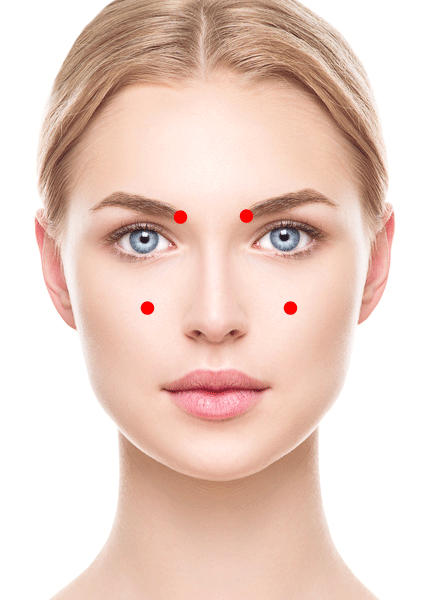
There are 4 Key Energy Points for Detoxifying 

the Body’s energy 

Two focus on the Bladder Channel which begins 

just off the bridge of the nose.

The 2 Points you want to stimulate to activate the 

Bladder Channel’s energy are located higher up 

- where the Eyebrows Begin just off the bridge of 

the nose.


This channel, the Bladder Channel, goes back to 

the back of the head, running down the outside along the spine, then out 

through the leg all the way down and out through the little toe.

Press on these points with your thumbs or fingers. You can

 press and massage in a circular way.

Or you can press deep.


When you massage deep you will feel a little depression there

 – when you press on it don’t do it too long. 5 seconds and then 

release and wait like 2 or 3 seconds and do it again. But, don’t press it too long.

This energy channel has the most acupuncture points or energy points or any 

energy channel in the body - more than 60 points, the others are like 14 or 20.

 This channel has more than 3 times as many points among the 12 major energy 

channels.

This channel helps to collect all the junk stuff, or blockages, or energy garbage 

from the Lungs, from the Liver, from all of the major internal organs and then 

releases it all out through the little toe.

This helps with sinuses, allergies, headaches, migraine headaches, dizziness, 

eyesight problems, fever, coughing, lots of things connecting to any of the major

organs.

That’s why these 2 points are very, very important. Massage and give a little 

pressure or give more pressure as it feels comfortable to you.

You can massage these points as often as you like. Try to massage for at least 

30 seconds each time - longer if you have more time.


Stomach Channel Points


The second set of 2 points are on the cheek bones, directly below the center of 

the eyes.

These points are where the Stomach Channel starts.

When you massage these points you can press massage with your fingers or 

thumbs - or you can tap them with your finger tips. Tap it firm to the level that 

feels good to you.

Tapping or massaging these points can help you to take care of your runny nose, 

or allergies.

It also helps to open all the energy blockages in the front of the body – down 

through the chest, breasts, to the lungs, the liver, from the thighs and way, way 

down to the second toe – releasing the energy out through the second toe.

You can massage these points as often as you like. Try to massage for at least 

30 seconds each time - longer if you have more time.

By tapping these 4 points it helps you to clear all of the energy blockages in the 

body. These are the 2 major energy channels for helping to dump the garbage out.

It’s like what the liver does with the physical toxins in the body – these 2 channels

take all the energetic “garbage” out.


Multi-Strain Probiotic Improves Insulin Resistance in Patients with Diabetes

Multi-Strain Probiotic Improves Insulin Resistance in Patients 

with Diabetes

Targeted probiotic in personalized therapeutic plan for patients with diabetes shows promise

 Courtesy of metagenics Institute 

https://www.metagenicsinstitute.com/articles/probiotics-impact-diabetes-study/?_hsmi=270084925&_hsenc=p2ANqtz--12rgpeKxQk3oOUlQ3Qsa3SnjmN2H9hzOcemL-JVvNpOuQXu6cfFKwYJ0RYni6kOVxYkbcjvP3mi-8f_4VIVvjk7ni3Q

by Bianca Garilli, ND and Ashley Jordan Ferira, PhD, RDN

Type 2 diabetes (T2D) is no longer a Western world phenomena, but rather a global epidemic, with research revealing an association between higher T2D rates and a country’s wealth or economic growth.1 As a clear example, in a publication titled “Prevalence of type 2 diabetes in the Arab world: impact of GDP and energy consumption”, it was observed that the higher a country’s gross domestic product (GDP), the higher the T2D prevalence.1 T2D rates in these regions include Kingdom of Saudi Arabia- 31.6%, Oman- 29%, Kuwait- 25.4%, Bahrain- 25%, and United Arab Emirates- 25%.1

Recognizing the worldwide impact of T2D, it is critical to identify underlying causes and practical, implementable tools for prevention and treatment. It is well documented that T2D is a chronic, inflammatory condition. Higher levels of lipopolysaccharides (LPS) have been observed in diabetic vs. non-diabetic individuals.2 LPS are Gram-negative bacterial fragments that are considered endotoxins, and can, if left untreated, overgrow in the gastrointestinal tract leading to increased gut permeability.3 A “leaky gut” environment increases the opportunity for these endotoxins to migrate out of the gut and into the circulation, ultimately contributing to systemic inflammation.3

(click link above for full article)

Intermittent Fasting Benefits:

The practice of intermittent fasting for therapeutic purposes is increasing. Some of the benefits of intermittent fasting include reduced insulin resistance and improved glucose homeostasis, reduced blood lipids (including triglycerides and LDL), and increased fat burning. Health care practitioners are likely to encounter questions regarding the safety and efficacy of intermittent fasting. In this blog post, Sara Gottfried, MD and Kari Hamrick, PhD, RD walk through new clinical research on the benefits of intermittent fasting for health and longevity.

 Fasting and Insulin resistance   follow the link 


Flavanols in Tea, fruit and vegetables preserve Memory and Cognition


More Evidence Flavanols in Tea, Fruit, and Vegetables Preserve Memory, Cognition

Eve Bender
November 28, 2022


Consumption of flavonols may preserve memory and cognition over time, new research suggests. Three specific components of flavonols in particular — kaempferol, myricetin, and quercetin — were associated with slower global cognitive decline.

"It is never too early, or too late, to start making healthy lifestyle changes, especially when it comes to diet," lead investigator Thomas Holland, MD, MS, told Medscape Medical News. Holland is assistant professor at the Rush Institute for Aging at Rush University Medical Center, Chicago, Illinois.
"This work adds to the ever-growing body of evidence that what we eat matters. A diet diverse in fruits and vegetables is critical for both cognitive and physical functioning. A robust lifestyle is necessary for one's continued health and overall well-being, especially their brain health," said Holland.
The study was published online November 22, 2022 Neurology.

Flavonols and Memory

Flavonols are a subclass of flavonoids, a large class of bioactive compounds with anti-inflammatory properties found in onions, kale, lettuce, tomatoes, apples, grapes, and berries as well as in tea and wine.
Previous research has shown that in mice, quercetin reverses histological hallmarks of Alzheimer’s disease (AD) and protects cognitive function, but there is scant evidence on the effect of flavonols on memory in humans.
For the study, researchers gathered data from the Rush Memory and Aging Project (MAP), a cohort of Chicago residents from retirement communities and senior public housing with no known dementia at baseline.
The study included about 960 participants with an average age of 81 who were followed for an average of 7 years. The majority (75%) were female and White (98%). They filled out a questionnaire each year on how often they ate certain foods. They also completed annual cognitive and memory tests including recalling lists of words, remembering numbers, and putting them in the correct order.
Participants also reported their education level, how much time they spent engaging in physical activities, and doing mentally engaging activities such as reading and playing games.
Participants were divided into five groups based on the amount of flavonols they consumed.
While the average amount of flavonol intake in US adults is about 16-20 mg per day, the group with the lowest flavonol intake consumed about 5 mg per day and the group with the highest consumed an average of 15 mg per day, which is equivalent to 1 cup of dark leafy greens.
To determine rates of cognitive decline, researchers used an overall global cognition score summarizing 19 cognitive tests. The average score ranged from 0.5 for those with no cognitive issues to 0.2 for people with mild cognitive impairment to -0.5 for people with AD.
After adjusting for factors that could affect the rate of memory decline, such as age, sex, and smoking, researchers found that the cognitive score of those who had the highest intake of flavonols — equivalent to one serving of leafy greens per day — vs the lowest, had a 32% decrease in their rate of cognitive decline.
Holland noted that as people age, free radicals can cause cellular damage otherwise known as oxidative stress. "When we ingest foods that contain antioxidants like flavonols or vitamin E, those antioxidants act as reducing agents and essentially destroy free radicals and prevent further cellular damage," he noted.
He added that although inflammation is a natural process that is necessary for multiple immune responses, sustained or over-activation of immune system can cause damage. "Dietary intake of foods that contain nutrients and bioactives with anti-inflammatory properties can potentially prevent the over-activation or continued response of inflammatory cells and thus avoid cellular damage.”

Kale for Cognition

When the investigators broke flavonols into four constituents — kaempferol, quercetin, myricetin, and isorhamnetin — they found that participants with the highest intake of kaempferol, which is found in kale, beans, tea, spinach, and broccoli, had a 32% slower rate of cognitive decline compared with those with the lowest kaempferol intake.
Those with the highest intake of quercetin, which is found in tomatoes, kale, apples, and tea, had a 30% slower rate of cognitive decline compared with those who consumed the least quercetin.
Participants with the highest intake of myricetin, which is found in wine, kale, oranges, and tomatoes had a 31% slower rate of cognitive decline compared with those who consumed the lowest amount. Dietary isorhamnetin was not tied to global cognition.
Study limitations included the potential for bias due to self-reporting of dietary intake by participants as well as the fact that due to their age, MAP participants could be at risk for cognitive impairment or subclinical disease, which could lead to unreliable reports of dietary consumption.

'Exciting' Evidence

"It’s exciting to see evidence that something as simple and empowering as encouraging individuals to enjoy more fruits and vegetables, such as spinach, broccoli, and apples, which are rich in various flavanols, and green/black teas, can stave off cognitive decline," Uma Naidoo, MD, told Medscape Medical News.
Naidoo is the director of nutritional and metabolic psychiatry at Massachusetts General Hospital and author of the book This is Your Brain on Food: An Indispensable Guide to the Surprising Foods that Fight Depression, Anxiety, PTSD, OCD, ADHD, and More.
"When considering specific plant nutrients, we mustn’t miss the forest for the trees — in general, the more whole, unprocessed foods one consumes, maximizing leafy greens, and eating a variety of colorful vegetables and fruit, the more optimized one’s lifestyle is to help support a healthy brain as one ages," said Naidoo.
Naidoo noted that a diet rich in flavanols adds "powerful antioxidant compounds that reduce inflammation in the brain, as well as B vitamins which support energy and neurotransmitter production, and fiber, which nourishes the gut. As such, I encourage healthcare professionals to recommend plant-predominant, unprocessed diets to their elderly patients," she added.
The study was funded by the National Institutes of Health, the National Institute of Aging, and the USDA Agricultural Research Service. Holland and Naidoo reported no relevant financial relationships.
Neurology. Published online November 22, 2022. Abstract.

Wednesday, August 2, 2023

VITAMIN C and Autistic children

Autism, Muscular Problems and Breathing – the surprising ways vitamin C deficiency can show up in autistic children and how its correction can save heartache and money.

Classic vitamin C deficiency is typically associated with scurvy, the disease known in colonial times to be linked to trans-Atlantic sailors that was corrected by consumption of citrus. In fact, the once pejorative term ‘limey” was given to British sailors who prevented scurvy with the addition of lime juice to their daily rations.

Today, scurvy is considered quite rare. However, the reality is that scurvy is a late-stage and overt manifestation of severe long-term vitamin C deficiency. Before common symptoms of full-blown scurvy appear (weakness, fatigue, muscle soreness and the classing scurvy sign, bleeding gums), a person may have what is called a subclinical vitamin C deficiency. This usually exists for a very long time prior to obvious symptoms. In other words, scurvy doesn’t happen overnight. As vitamin C becomes more and more deficient, the symptoms become more and more obvious.

Since vitamin C, like all nutrients, has more than just a single function in the body and works in tandem with other nutrients, its deficiency compounds over time. In other words, a subclinical deficiency will usually become an overtly symptomatic clinical deficiency if not addressed. The puzzling part is that deficiencies manifest differently from patient to patient. But a physician who appreciates the fundamental nature of molecular nutrition (or lack of) and its impact on the body is better equipped the see these elusive pieces of the diagnostic puzzle.

The case referenced below is an excellent example. Two children (both male, ages 6 and 5) with autism were taken to the hospital for progressive worsening shortness of breath. Interestingly, both children also had refused to walk for several weeks prior to hospitalization because of severe muscle pain in their legs. Upon admission to the hospital, both boys had elevated heart rates and difficultly breathing. A pulmonary vasodilator was given to both boys to facilitate breathing. The 6 year old was admitted to intensive care. Bloodwork showed several micronutrient deficiencies: vitamin B1, folate, copper, zinc, vitamin D and iron. But the most severe deficiency was vitamin C which was undetectable in both boys. (The other nutrients were low but at detectable levels).

Based on lab results, the boys were given vitamin C on the first day of hospital admission. The 6 year old boy was discharged after 13 days in the hospital. At that point, vitamin C levels had improved dramatically after aggressive supplementation in the hospital. The 5 year old boy was discharged from the hospital after five days of supplementation with both vitamin C (orally) and vitamin B1 (intravenously). The caregivers of both boys were counselled in the hospital about micronutrient supplementation and nutrition to prevent this occurring again in the future. It was discovered that because of the boys’ autism, they were extremely picky eaters who refused all fruits and vegetables for well over a year and had subsisted mainly on rice and boiled eggs.

According to the literature, the typical vitamin C deficiency symptoms include the following:

-Fatigue

-Weakness 

-Loss of appetite (compounding the already finicky eating patterns of these boys)

-Perifollicular petechial hemorrhage (red, bruise-like spots around hair follicles that look like a rash)

-Bruising

-Bleeding gums

-Bone or limb pain

Interestingly, both patients indicated some of the above listed symptoms prior to hospitalization, for a significant time period. Both had loss of appetite and weakness. The 6 year old patient had corkscrew hair on his limbs (aka perifollicular petechial hemorrhage), which happens when the capillaries around hair follicles are damaged that then causes what looks like ingrown hairs on various parts of the body. Since vitamin C plays an important role in regulating the synthesis of collagen, and collagen is present in our blood vessels to help our arteries and capillaries maintain structure and shape, a deficiency (whether clinical or subclinical) will often manifest in seemingly weird ways – like ingrown hair-like rashes and limb pain. In fact, in both the patients from this case study, they experienced intense limb pain that resulted in the patient refusing to walk.

It was not until their shortness of breath became extreme that they were taken to the hospital where the vitamin C deficiency, which at this point was very severe, was uncovered. A rare symptom of vitamin C deficiency is breathing difficulty due to pulmonary arterial hypertension, which is how both of the patients presented at the hospital, although in retrospect, it is clear that vitamin C deficiency symptoms were present prior to hospitalization. The pulmonary arterial hypertension was ultimately a result of collagen dysfunction from lack of vitamin C. The mechanism of action is a combination of factors:

-Vitamin C directly regulates the enzyme prolyl hydroxylase which is a key protein for the synthesis of collagen. Hydroxylation (which is simply a chemical process of adding an oxygen and hydrogen atom) of collagen is what gives it the stability to support various tissues, such as blood vessels and the epidermis of the skin.
-Vitamin C is involved in the synthesis of nitric oxide (NO), which acts directly on the lining of blood vessels as a signaling molecule for smooth muscle to relax. This results in blood vessels opening up and increasing blood flow. Low vitamin C causes the arteries in the lungs to resist relaxing, keeping them stiff which can restrict blood flow. In these young patients, that eventually caused their pulmonary arterial hypertension (PAH), and shortness of breath.
-Vitamin C regulates the enzyme prolyl hydroxylase, which in turn regulates another protein called HIF (hypoxia inducible factor). Low vitamin C increases HIF which causes blood vessels to constrict.
-Vitamin C has potent antioxidant effects. Evidence suggested PAH is also linked to an excess of reactive oxygen species, which are basically damaging molecules that are neutralized by antioxidants, such as vitamin C. 
It is obvious that vitamin C deficiency is much more than the age-old scurvy cases. In another case report published this year2, an 11 year-old boy displayed similar and seemingly enigmatic symptoms – bone pain and infections, muscle soreness in the legs and mild pulmonary hypertension. This boy also had a developmental disorder and a highly self-induced restricted diet. Once a diagnosis of scurvy was made on this boy and he received intravenous and oral vitamin C, his joint and muscle pain was gone in a week. Again, the clinical presentation was not “classic scurvy” but instead was primarily musculoskeletal until the pulmonary hypertension warranted a closer look.

Monitoring micronutrient status periodically could have prevented all three cases from becoming as severe as they did. Although drawing blood on children to monitor their vitamin and mineral levels is certainly not routine, it is worth noting that in some cases that are difficult to diagnose, nutrient deficiencies are often an underlying and routinely neglected cause. That, combined with the fact that nutrient repletion is typically safe and relatively inexpensive, makes assessing nutrient status an incredibly underrated and underutilized resource in standard medical care.

-For more information on the case studies (6 year old and 5 year old) paper, click here for the ABSTRACT and click here for FULL TEXT.

-For more information on the case studie (11 year old) paper, click here for the ABSTRACT.

-For more information on the physiologic role of micronutrients and autism, click this link:

Micronutrients and AUTISM. 

-For more information on the physiologic role of micronutrients and attention deficit disorders, click this link: Micronutrients and ADHD.

REFERENCE 
1Sakamornchai et al. Case Report: Vitamin C combined with multiple micronutrient deficiencies is associated with pulmonary arterial hypertension in children with autistic spectrum disorder. Case Reports: Front Nutr 2022 Oct 20;9:928026.
2Ueki et al. Rheumatologic manifestations with elevated levels of IL-6, IL-17A, and IL-23 in a patient with scurvy. Mod Rheumatology Case Reports 2023;7(1):302-306.

Wednesday, July 26, 2023

Covid Censorship Proved to be deadly...Finally some reckoning for a dismal abuse of power!


COVID Censorship Proved To Be Deadly

Analysis by Dr. Joseph Mercola - July 25, 2023

STORY AT-A-GLANCE 

  • The federal government was sued for colluding with social media companies to censor Americans
  • U.S. District Judge Terry A. Doughty issued a preliminary injunction stating, “the present case arguably involves the most massive attack against free speech in United States’ history”
  • The governments censorship efforts depict “an almost dystopian scenario,” the ruling states, during which “the United States Government seems to have assumed a role similar to an Orwellian ‘Ministry of Truth’”
  • Topics that were clearly censored by the government, which “used its power to silence the opposition,” include opposition to COVID-19 vaccines, masks and lockdowns, the lab-leak theory of COVID-19 and more
  • When organizations talk about tackling “misinformation” and “disinformation,” it’s a code phrase for censorship that’s part of a globalist agenda to control free speech and alter the perception of truth and reality

We’ve just witnessed the biggest attack on freedom of speech in U.S. history. And it appears the writing is on the wall for “the most important free speech lawsuit of this generation,” in which the federal government was sued for working with social media companies to censor Americans.1

U.S. District Judge Terry A. Doughty issued a preliminary injunction, siding with the plaintiffs that the U.S. government colluded with social media companies to censor free speech.

“If the allegations made by Plaintiffs are true, the present case arguably involves the most massive attack against free speech in United States’ history,” Doughty wrote. “In their attempts to suppress alleged disinformation, the federal government, and particularly the defendants named here, are alleged to have blatantly ignored the First Amendment’s right to free speech.”2

Government Tried to Get Case Dismissed, but Failed

The lawsuit — Missouri et al v. Biden et al — was filed May 2022 by the attorneys general of Missouri and Louisiana, and plaintiffs Dr. Jayanta Bhattacharya and Dr. Martin Kulldorff — co-authors of the Great Barrington Declaration, which scientifically critiqued the effects of prolonged lockdowns in response to COVID-19.3

The lawsuit alleges the Biden administration "colluded with social media giants Meta, Twitter and YouTube to censor free speech in the name of combating so-called ‘disinformation’ and ‘misinformation.’" In so doing, it suppressed and censored the truth “on a scale never before seen” on topics relating to COVID-19 shots, COVID-19’s potential laboratory origins and Hunter Biden’s laptop.4

Judge Doughty denied a motion from the government to dismiss the case,5 which called on Dr. Anthony Fauci and other officials, including CISA director Jen Easterly and former White House press secretary Jen Psaki, to testify under oath.6 The New Civil Liberties Alliance (NCLA), which represents Bhattacharya and Kulldorff in the case, stated:7

“Social media platforms, acting at the federal government’s behest, repeatedly censored NCLA’s clients for articulating views on those platforms in opposition to government-approved views on Covid-19 restrictions. This insidious censorship was the direct result of the federal government’s ongoing campaign to silence those who voice perspectives that deviate from those of the Biden Administration.

Government officials’ public threats to punish social media companies that did not do their bidding demonstrate this linkage, as do emails from the Centers for Disease Control and Prevention (CDC) and the Department of Homeland Security (DHS) to social media companies that only recently were made public.”

In a July 16, 2021, White House press briefing, press secretary Jen Psaki actually admitted the Biden administration is violating the First Amendment by alerting social media companies to posts and accounts it believes is peddling “misinformation” about COVID injections.This includes banning the 12 individuals, including yours truly, who were falsely deemed the “disinformation dozen” during the pandemic, from all available social medial platforms.9

US Government Assumed Role as ‘Orwellian Ministry of Truth’

Doughty didn’t mince words when it came to the severity of the government’s censorship efforts, writing:10

“The evidence produced thus far depicts an almost dystopian scenario. During the COVID-19 pandemic, a period perhaps best characterized by widespread doubt and uncertainty, the United States Government seems to have assumed a role similar to an Orwellian ‘Ministry of Truth.’”

Topics that were clearly censored by the government, which “used its power to silence the opposition,” included:11

Opposition to COVID-19 vaccines

Opposition to COVID-19 masking and lockdowns

Opposition to the lab-leak theory of COVID-19

Opposition to the validity of the 2020 election

Opposition to President Biden’s policies

Statements that the Hunter Biden laptop story was true

Opposition to policies of the government officials in power

Doughty added:12

“All were suppressed. It is quite telling that each example or category of suppressed speech was conservative in nature. This targeted suppression of conservative ideas is a perfect example of viewpoint discrimination of political speech. American citizens have the right to engage in free debate about the significant issues affecting the country.

Although this case is still relatively young, and at this stage the Court is only examining it in terms of Plaintiffs’ likelihood of success on the merits, the Plaintiffs have presented substantial evidence in support of their claims that they were the victims of a far-reaching and widespread censorship campaign. This court finds that they are likely to succeed on the merits of their First Amendment free speech claim against the Defendants.”

On Twitter, journalist Glenn Greenwald called the judge’s ruling vital to not only acknowledge the “systemic program of the US Govt to pressure/coerce Big Tech to censor for it,” but also to “apply established 1st Am principles that the state is barred from pressuring private actors to censor for it.” What’s more, he added, the ruling even banned the practice from continuing.13

Judge Blocks US Government From Policing Social Media

As part of the preliminary injunction, Doughty limited the U.S. government from meeting with social media companies to discuss content online.14 Already, the U.S. State Department canceled its regular meetings with Facebook, during which it planned to discuss “safeguards” for the 2024 election — “pending further guidance.”15

In a commentary for WSJ Opinion, Bret Swanson, technology and global economy analyst, states COVID censorship proved to be deadly in that “government and social-media companies colluded to stifle dissenters who turned out to be right.”16 This led to effective COVID-19 treatments being silenced early on, leading to an unknown number of deaths that might have been prevented if censorship hadn’t prevailed.

“Legions of doctors stayed quiet after witnessing the demonization of their peers who challenged the COVID orthodoxy. A little censorship leads people to watch what they say. Millions of patients and citizens were deprived of important insights as a result,” Swanson wrote.17 He tweeted:18

“For three years, pandemic public relations mocked nature, generating fear, illness, inflation and excess death beyond what the virus caused. Digital censorship supercharged the effort to hide reality, but reality is getting its day in court.”

While much of the damage has already been done, the ruling restrains the government and other named defendants from engaging with social media via 10 key measures, including:19

Meeting with social-media companies for the purpose of urging, encouraging, pressuring, or inducing in any manner the removal, deletion, suppression or reduction of content containing protected free speech posted on social-media platforms

Specifically flagging content or posts on social-media platforms and/or forwarding such to social-media companies urging, encouraging, pressuring or inducing in any manner for removal, deletion, suppression, or reduction of content containing protected free speech

Urging, encouraging, pressuring, or inducing in any manner social-media companies to change their guidelines for removing, deleting, suppressing or reducing content containing protected free speech

Emailing, calling, sending letters, texting, or engaging in any communication of any kind with social-media companies urging, encouraging, pressuring or inducing in any manner for removal, deletion, suppression, or reduction of content containing protected free speech

Collaborating, coordinating, partnering, switchboarding, and/or jointly working with the Election Integrity Partnership, the Virality Project, the Stanford Internet Observatory, or any like project or group for the purpose of urging, encouraging, pressuring, or inducing in any manner removal, deletion, suppression or reduction of content posted with social-media companies containing protected free speech

Threatening, pressuring, or coercing social-media companies in any manner to remove, delete, suppress or reduce posted content of postings containing protected free speech

Taking any action such as urging, encouraging, pressuring, or inducing in any manner social-media companies to remove, delete, suppress or reduce posted content protected by the Free Speech Clause of the First Amendment to the United States Constitution

Following up with social-media companies to determine whether the social-media companies removed, deleted, suppressed, or reduced previous social-media postings containing protected free speech

Requesting content reports from social-media companies detailing actions taken to remove, delete, suppress, or reduce content containing protected free speech

Notifying social-media companies to Be on The Lookout (“BOLO”) for postings containing protected free speech

A Globalist Agenda

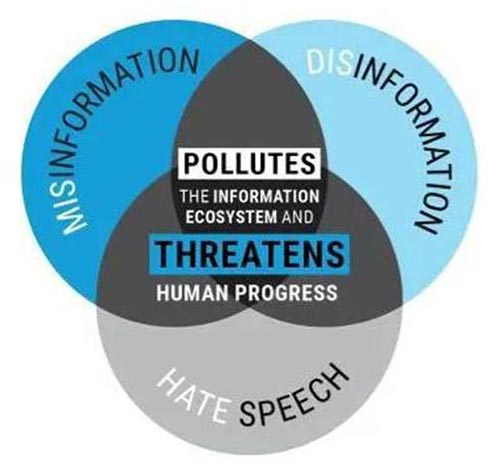
a globalist agenda.jpeg

When organizations talk about tackling “misinformation” and “disinformation,” it’s a code phrase for censorship. It’s also part of a globalist agenda to control free speech, alter the perception of truth and reality, and spread its carefully orchestrated propaganda. July 4, 2023, the United Nations tweeted the following statement from Melissa Fleming, its communications chief, with the above graphic:20

"Our information ecosystem is now so polluted with lies & hate that voices for positive change are seriously struggling to make themselves heard."

It’s a classic example of globalist propaganda, but the policing of “wrongthink” on social media also has deep roots stemming from the Department of Homeland Security's (DHS) Cybersecurity and Infrastructure Security Agency (CISA),21 which are mentioned in the lawsuit.

In addition, in June 2023, the House Judiciary Committee released a report detailing how CISA “colluded with Big Tech and ‘disinformation’ partners to censor Americans.”22 “The 36-page report raises three familiar issues,” the Brownstone Institute reported.

“First, government actors worked with third parties to overturn the First Amendment; second, censors prioritized political narratives over truthfulness; and third, an unaccountable bureaucracy hijacked American society.”23

The United Nations’ propaganda above has a familiar ring to it because it’s the same rhetoric being spouted the world over. Much of the new world order’s plans are based on crisis management, and the idea that a great crisis will occur that will lead to the great transition, where globalists will swoop in to save the day, transforming society into the promised paradise, which is actually a totalitarian society.

But in order for their plans to succeed, they must control the narrative. Technology and digitization have allowed this to occur at an unprecedented level compared to in the past, largely due to censorship online.

What’s the endgame? In 2019, the United Nations and the World Economic Forum entered into a strategic alliance, which called for the U.N. to “use public-private partnerships as the model for nearly all policies that it implements, most specifically the implementation of the 17 sustainable development goals, sometimes referred to as Agenda 2030.”24

Soon after the COVID-19 pandemic began, global leaders and WEF began calling for The Great Reset.25 Embedded in this future world order will be widespread digitization, data collection and digital IDs intended to track and trace the global population. The United Nation’s Summit of the Future is scheduled for 2024, honing in on “the triple planetary crisis,” the COVID-19 pandemic and the Ukraine war to instill fear and propel their agenda forward.

Described as a “once-in-a-generation opportunity to enhance cooperation on critical challenges and address gaps in global governance, reaffirm existing commitments including to the Sustainable Development Goals (SDGs) and the United Nations Charter, and move towards a reinvigorated multilateral system that is better positioned to positively impact people’s lives,”26 — this is but one more checkmark toward reaching the new world order.

And a big part of the plan will involve readying for the next crisis — and obeying their orders on how to react when it occurs. Again, censorship is necessary for this to work, lest people start to question what’s really going on. They’ll put emergency platforms into place under the promise that they’ll dissolve once the crisis is solved. But if the crisis never ends, neither will their new authoritarian regime.27

Will truth and free speech ultimately prevail? Doughty’s ruling is a large step in the right direction, bringing hope that, at least in the U.S., freedom has not yet been lost.

 Sources and References