Sunday, December 10, 2023

Full Spectrum light can improve your health


How Therapeutic Use of Full-Spectrum Light Can Improve Your Health

Analysis by Dr. Joseph Mercola December 10, 2023

STORY AT-A-GLANCE

  • Photobiology is the therapeutic use of light to improve health. Heliotherapy is the therapeutic use of sunlight
  • In the late 19th century, we started gaining a great deal of knowledge about how light acts on the human body, starting with the experiments of A. Downes and T.P. Blunt, who discovered that UV radiation kills bacteria
  • From 1900 to 1950, phototherapy was a state-of-the-art therapeutic intervention in medicine. Today, much of what was common knowledge has been lost, and we’re now rediscovering the vital importance of sunlight

Photobiology is the therapeutic use of light to improve health. In this interview, Dr. Alexander Wunsch, one of the leading experts in photobiology, explains the historical significance of photobiology.

I interviewed him about the dangers of light-emitting diode (LED) lighting. That interview has nearly three-quarter of a million views at this point. If you haven't seen it already, please take a look, as that interview went into some very practical, real-world aspects of photobiology. Here, we focus on the historical component to help you get a better appreciation of its potential.

Historical Use of Light Therapy 

Light has been used therapeutically for thousands of years. Humans have not only evolved to adapt to sunlight, but also to the influence of fire — near-infrared and mid-infrared radiation that is very low in in the blue range wavelengths — which is also emitted by incandescent light sources.

In ancient Egypt, we know that sunlight was used for hygienic purposes, and once humans began manufacturing glass, it also became possible to produce colored light using the colored glass as filter technology.

An important point that needs to be made is that the human retina is not designed to be exposed to blue light at night. We were ever only exposed to fire light at night. This is why it's so crucial to block blue light, particularly at night, but also during the daytime when the light is from artificial sources.

Incandescents and halogen lights are acceptable, as they contain the near-infrared wavelengths, while LEDs are best avoided, since they're virtually devoid of these healing near-infrared wavelengths, emitting primarily blue light. Around the turn of the 18th century, light began to be used therapeutically to treat illness.

"I call the time before the 18th century the 'mystical phase' of light use, because humans already had clear indications that light does them good, but they didn't explore it in a scientific manner," Wunsch says.

"In the 18th century — we also call it 'the age of enlightenment' — people became much more interested in the reasons why the occurrences happen around them."

The First Phototherapeutic Device

Andreas Gärtner, known as the "Saxonian Archimedes," built the first phototherapeutical device. It was a foldable hollow mirror made from wood and plaster, covered with gold leaf. Using this, he could concentrate sunlight onto aching joints of patients. People suffering from arthritis, rheumatism and gout found pain relief from this phototherapeutical unit.

Today, we can explain how this device worked without causing a phototoxic reaction or burns. The gold leaf actually absorbs all of the ultraviolet (UV) radiation from sunlight, emitting luminous heat rays in the near-infrared and red wavelengths, which is beneficial because it can penetrate deeply into the tissue.

"It's interesting that UV behaves quite peculiar in combination with certain metals. For example, silver only reflects about 4 percent of the incident UV radiation. Gold almost absorbs all the parts. The best reflector for UV is aluminum.

When we talk about phototherapy, besides the heliotherapeutic application, we always have to look at the light source, and we have to look at the beam shaping media, such as the reflector or lenses, because they all contribute to the final blend of wavelengths, which then come into action in the phototherapeutical intervention," Wunsch explains.

The Science of Light in the 19th Century

In the late 19th century, we started gaining a great deal of knowledge about how light acts on the human body. It started with the experiments of A. Downes and T.P. Blunt, who discovered that UV radiation kills bacteria. Researchers were also interested in other parts in the optical spectrum.

General Augustus Pleasonton published "Influence of the Blue Ray of the Sunlight" in 1876 in which he described experiments performed between 1861 and 1876.

He grew grapes for wine, using not only transparent colorless glass, but also blue window glass. With the latter, he got a significant increase in plant growth. Later, he performed similar experiments on humans.

"People in the late 19th century, especially in the United States, would walk around with blue glasses. In a way, they did exactly the opposite of what we do today to protect our eyesight.

They even enhanced the blue part of the spectrum because they used it as a kind of booster, a kind of doping, and didn't care about the long-term effects, which are pretty negative …"

Wearing blue-colored glasses increases the blue exposure and limits the red and infrared. The problem with that is that while short-term use of blue-enriched light has an activating effect, you can quickly develop a tolerance and, long-term, the stimulating effect is harmful to your biology. Hence wearing blue-tinted glasses on a daily basis is not a good idea.

"You can use them for a few minutes. This can be a good idea. From today's scientific viewpoint, we need at least one hour of unfiltered daylight [each day] during adolescence in order to prevent myopia. But it's not pure blue, and not pure blocking. Somewhere in between is the golden pathway to health."

Reinventing the Wheel

The same year Pleasonton published his book on blue light experiments, Dr. Seth Pancoast published "Blue and Red Light: Light and Its Rays as Medicine," covering both blue and red light experiments.

Pancoast understood the antagonistic effect of red and blue light, using red light to stimulate sympathetic activity and blue light to stimulate parasympathetic activity. A year later, in 1878, a year before Edison invented the incandescent lamp, Dr. Edwin Dwight Babbitt published "Principles of Light and Color."

He used the full set of rainbow colors discovered by Newton, and later on used the color set of Goethe. The book is about 800 pages long, but for those with an interest in photobiology, it's a treasure trove.

"Today in medicine, we start to reinvent what they already knew or what they already found out in the late 19th century — that the colors have specific effects on our health, on our organism. Using the correct colors means you can communicate with all your different organs in your system," Wunsch explains.

According to Wunsch, Babbitt's tome covers everything we're currently rediscovering about photobiology and phototherapy. Babbitt even presented information about how atoms are frequency and oscillation. With regards to the use of colored light, Babbitt used a kind of bottle shaped as a lens.

By adding a salt solution, he produced different colors. He then focused colored light on different parts of the human body. Like Pleasonton and Pancoast before him, Babbitt produced therapeutic results using colored light.

"The problem was that it's very difficult to reproduce these effects, starting with the problem that the sun doesn't always shine," Wunsch says. "They were pioneers in chromotherapy in a time where electrical lighting was not available.

People, in a way, had better circadian rhythm without electrical lighting. But in terms of scientific precision with regard to producing colored light, they had worse conditions than we have. Today, we can exactly produce the same colors anytime, during the day and during the year."

Treating Disease With Light

In 1897, Dinshah Ghadiali, an India native who lived out the second half of his life in the United States, rescued the life of a patient using Babbitt's instructions. The patient had colitis, an inflammatory disease of the intestines. Dinshah knew, from reading "Principles of Light and Color," that indigo colored light could stop vomiting and break the disease process.

This started a new chapter in chromotherapy, and Dinshah experimented with colored light for more than 23 years before he presented his system to the public. Another chromotherapy pioneer during the late 19th century was Niels Ryberg Finsen in Denmark. He was the first to make a discrimination between negative phototherapy and a positive phototherapy.

He used a very specific red light to treat small pox patients. He removed the short wavelength part of the spectrum, especially the ultraviolet, violet, indigo and blue, leaving the colors located in the longer wavelength of the light spectrum.

"You can be 100 percent sure that if you paint a room completely in red and you're using red curtains and red tissue or cloth, that you would have 100 percent elimination of blue. The short wavelength part, the blue and the indigo, was the reason for the inflammatory reaction in patients with small pox," Wunsch explains.

"Finsen … reinvented the negative phototherapy, which means you eliminate certain parts of the spectrum, which would exaggerate the development of a disease … This observation — that the short wavelength in the spectrum would amplify the inflammatory reaction in small pox — led him to the idea that light acts as an incitement.

It is able to produce the inflammatory reaction. In small pox, this would be a problem. But he was thinking about the treatment of tuberculosis.

In treating tuberculosis, his idea was if he could produce the inflammation in the tissue, then the body would be able to cure itself. This is what he finally developed: the positive phototherapy, which means he produced exactly this part in the spectrum he formerly wanted to exclude. Using the short wavelength part enabled him to very successfully treat tuberculosis, especially in the skin … His idea was to use electric light …

In the late years of the 1890s, he established the Finsen Institute in Copenhagen and successfully treated patients with tuberculosis from all over the world. He was awarded the Nobel Prize for Physiology in 1903. This was one of the most important persons in the end of the 19th and the beginning of the 20th century."

Phototherapy Becomes State-of-the-Art Medicine

Finsen's work fueled the progress of phototherapy for the next several decades. From 1900 to 1950, phototherapy was a state-of-the-art therapeutic intervention in medicine. Remember, Finsen effectively treated tuberculosis nearly 50 years before the advent of pharmacological medication. There really was no treatment for tuberculosis prior to light therapy. Tuberculosis is a very slow-growing organism that is hard to treat. Today, patients are typically given multiple drugs to treat it.

The reason light works for tuberculosis is because UV light is germicidal. This is one of the reasons why it's useful to hang your clothes to dry outside. Exposing your laundry to sunlight kills bacteria, viruses and other microbes that might contaminate your bed linens and clothing.

The easiest way to benefit physically from the light therapy provided by the sun is to expose your bare skin to the sun on a regular basis, ideally daily. Most people rarely ever expose more than their face and hands to the sun. Indeed, one of the most important points I want to make here is that lack of exposure to sunlight can have some really serious adverse consequences for your health.

In the late 19th century, Dr. John Harvey Kellogg invented a phototherapeutic method using red and the near-infrared rays (the luminous heat rays). He founded the Battle Creek Sanitarium, where he performed heliotherapy on patients as early as 1876. In 1891, shortly after the invention of the incandescent lamp, he filed a patent for an incandescent light bath. In the following two years, he treated thousands of patients with this light.

Kellogg exhibited his incandescent light bath system at the world exhibition in Chicago in 1893, where it caught the attention of German chemist Dr. Willibald Gebhardt. Gebhardt visited Kellogg at the Battle Creek Sanitarium, where he learned all about its use, and then brought the technology and knowledge back to Berlin.

Over the next few years, Gebhardt established hundreds of light institutes throughout Germany, treating psoriasis and pain associated with gout and rheumatism. These institutes were so successful they even posed a threat to the medical community, as doctors could not provide better relief than what people were getting from self-treatment at these light institutes.

Light Therapeutics 

In 1910, Kellogg published a text book called "Light Therapeutics." It's a seminal work that has stood the test of time, being as valuable and revolutionary today as it was back then, if not more so, considering all the knowledge we've lost and are just now rediscovering. You can download the book for free at the link above. It is a great read to see what he was doing more than a century ago.

"I really would recommend this [book] to everyone who is interested in phototherapy, because this is the basic knowledge. Everything you have to know about sunlight, ultraviolet light, visible light, the near infrared, about the use of cold, the use of heat — it's all contained in this book from John Harvey Kellogg," Wunsch says.

"It's still, in my understanding, the first book to read if you want to understand how light in the different parts of the spectrum interact with the organism. It's very systematically structured … For example, everyone warns you about sunburn, but in the pre-antibiotic era, the medical doctors sometimes had to completely change the direction in a patient … Here, sunlight was one of the therapeutic options.

I would not recommend to use this today, but Kellogg describes in detail the four different stages of a sunburn. The first thing that he says is 'Sunburn is not a burn injury. A burn injury appears immediately. And a sunburn appears with delayed time of several hours.'

He didn't know anything about reactive oxygen species these days, but he exactly explained that there is definitely a huge difference between an immediate heat-induced burn and a kind of phototoxic reaction that you find in a sunburn.

He discriminated or described four different stages of a sunburn from one to four. Four is with blisters. One is just the mild erythema. In those days, without antibiotics, sometimes [they] deliberately chose to induce a second degree or third degree erythema in order to change the direction of the development of the health of a certain patient."

Heliotherapy During Surgery

Dr. Oscar Bernhard, a Swiss surgeon, even used heliotherapy (i.e. sun therapy) during surgery. Bernhard was actually using sunlight even before Finsen inaugurated and popularized his method. At this time in the late 19th century, it became apparent that as people moved from the country to the cities, rates of rickets and tuberculosis rose. It became increasingly clear that lack of sunlight had something to do with it.

Bernhard, who lived and worked in the Swiss mountains near Davos, would place his surgical patients in direct sunlight for 10 to 15 minutes, just before closing the wound. He found this significantly improved wound healing. Another Swiss "sun doctor" was Dr. Auguste Rollier, who began treating patients using sunlight in 1905. In the 1930s and '40s, he ran up to 40 different hospitals in Switzerland.

"Rollier only used heliotherapy," Wunsch says. "He was convinced that artificial light cannot do the job, and that sunlight is superior. Rollier was the master of heliotherapy in these days up to the 1950s … He was treating patients [with heliotherapy for] more than 50 years, from the beginning to the mid of the 20th century …

He was a holistic physician who not only used sunlight in a very skillful manner, but also all the other options, using music and a kind of physiotherapy or work therapy. He invented a lot of different appliances, which enabled the patient to lie in their bed and do some work and be productive …

This was very important for people suffering from tuberculosis being treated in Switzerland, because it was quite expensive to stay there as a patient … He had very good results — much better compared to what we expect from tuberculosis treatment using the five-phase antibiotics treatment we have nowadays."

This isn't so surprising when you consider that UV light is directly germicidal to many microbes, and UVB exposure specifically helps your body produce vitamin D. In fact, vitamin D is a biological marker for UVB radiation exposure. When your body has enough, your vitamin D levels go up.

Why Vitamin D Supplements Cannot Fully Replace Sun Exposure 

Today, many simply resort to taking a vitamin D supplement, but it's naïve to believe you're going to get the same benefits from an oral supplement as you would from UVB exposure. Your body is designed to produce vitamin D in response to sunlight, not through oral intake. I'm not saying you should avoid vitamin D supplements. If you cannot get enough sunlight, that's your next best option. But the goal is not to raise your vitamin D through swallowing a pill. As Wunsch explains:

"[I]f you administer vitamin D orally, it signals your system that you have lots of UV around you. This might even start processes that are not adequate because your skin didn't actually have the exposure. I think the best idea, if you have the skin type so that you can stand sun exposure, is that you use this natural pathway [i.e. sun exposure]. Because then you have coordinated, coherent action pathways, which are not granted [otherwise].

Another aspect that is still unclear is if orally administered vitamin D really reaches the skin layers where you normally need it as well, in the keratinocyte layer. Cathelicidin is a substance produced under the influence of vitamin D in the skin, which helps the organism to fight germs. This might be one of the reasons why the heliotherapy and the UV therapy were so efficient with regard to tuberculosis treatment."

Candles — A Healthy Light Alternative

Candles are even better light sources than incandescent bulbs, as there is no electricity involved and are the light our ancestors have used for many millennia, so our bodies are already adapted to it. The only problem is that you need to be careful about using just any old candle, as most are toxic.

As you may or may not know, many candles available today are riddled with toxins, especially paraffin candles. Did you know that paraffin is a petroleum by-product created when crude oil is refined into gasoline? Further, a number of known carcinogens and toxins are added to the paraffin to increase burn stability, not including the potential for lead added to wicks, and soot invading your lungs.

To complicate matters, a lot of candles, both paraffin and soy, are corrupted with toxic dyes and fragrances; some soy candles are only partially soy with many other additives and/or use GMO soy. The candles I use are non-GMO soy, which is clean burning without harmful fumes or soot, is grown in the U.S. and is both sustainable and renewable. They're also completely free of dyes. The soy in these candles is not tested on animals and is free of herbicides and pesticides.

It's also kosher, 100% natural and biodegradable. The fragrances are body safe, phthalate- and paraben-free, and contain no California prop 65 ingredients. You can search online for healthy candles, but if you like, you can use the ones I found at www.circleoflifefarms.com. This is not an affiliate link and I earn no commissions on these candles; I just thought you might benefit from the ones I now use in my home.

How to Make Digital Screens Healthier


When it comes to computer screens, it is important to reduce the correlated color temperature down to 2,700 K — even during the day, not just at night. It's even better to set it below 2,000K or even 1,000K. Many use f.lux to do this, but I have a great surprise for you as I have found a FAR better alternative that was created by Daniel Georgiev, a 22-year-old Bulgarian programmer that Ben Greenfield introduced to me.

He was using f.lux but became frustrated with the controls. He attempted to contact the f.lux programmers but they never got back to him, so he created a massively superior alternative called Iris. It is free, but you'll want to pay the $2 and reward him with the donation. You can purchase the $2 Iris mini software here.

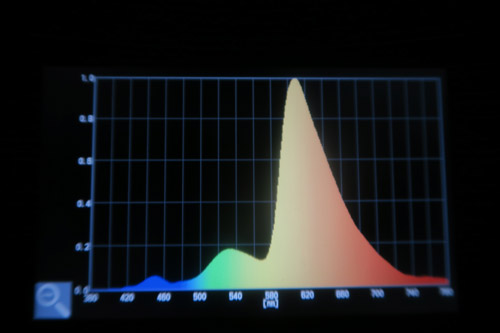
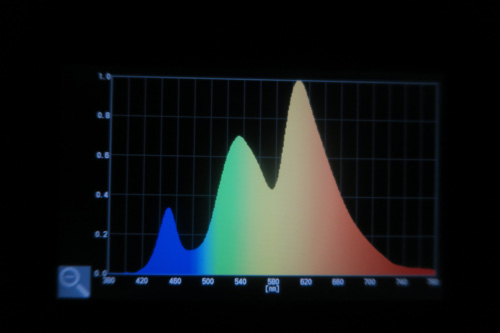
Iris is better because it has three levels of blue blocking below f.lux: dim incandescent, candle and ember. I have been using ember after sunset and measured the spectrum and it blocked nearly all light below 550 nm, which is spectacular, as you can see in the image below when I measured it on my monitor in the ember setting. When I measured the f.lux at its lowest setting of incandescent it showed loads of blue light coming through, as you can clearly see in the second image below.

So, if you are serious about protecting your vision you will abandon f.lux software and switch to Iris. I have been using it for about three months now, and even though I have very good vision at the age of 62 and don't require reading glasses, my visual acuity seems to have dramatically increased. I believe this is because I am not exposing my retina to the damaging effects of blue light after sunset.

Iris Software:

iris software.jpeg

F.lux Software:

flux software.jpeg

More Information

Wunsch, who has studied photobiology and light therapy for decades, understands the influence of light on health perhaps better than anyone. Having this historical grounding will hopefully help you understand some of these benefits, and inspire you to apply heliotherapy in your own life. All you have to do is step outside and take some clothes off. There's no question in my mind that sun exposure is as important — or nearly as important — as eating a healthy diet and exercising.

Unfortunately, virtually no one is talking about or teaching this. The point is, they did in the past. We're now rediscovering what was common knowledge 100 years ago! Sadly, the pharmacological focus has created an enormous, manipulated bias, which essentially directs most of the research.

If it was authentically and sincerely motivated, based on specific healing principles, we would have expanded on the research into heliotherapy and photobiology. The reason we haven't is because it's been artificially suppressed. That's the sad reality.

The good news is that this is the 21st century — a time when we have access to extremely powerful methods of communication, allowing us to share this information with literally millions of people. By doing so, we can create a foundation of a new understanding, thereby catalyzing research and therapeutic interventions that can help us avoid the expensive and toxic interventions typically recommended for diseases that respond perfectly well to interventions such as light.

It's truly so simple. Take myopia for example. We're now realizing that nearsightedness is closely linked to lack of sun exposure, especially during childhood — not a lack of vitamin D, mind you, but a lack of natural sunlight striking the eye.

Understanding this connection, and doing something about it — sending your kids outdoors for at least an hour a day — could help prevent this extraordinarily common vision problem without costing a cent.
DO NOT Mask children for C*vid-19


Current Data Does Not Support Masking Children for COVID-19


A post-pandemic, systematic review of the effectiveness of mask mandates for children did not find “high-quality” evidence that masking children prevented infection or transmission of COVID-19.

A final analysis review included 22 studies through database searches going up to February 2023. “Of that, 16 studies found no effect of mask wearing on infection or transmission, while six studies reporting a protective association had critical or serious risk of bias,” the study said.

“Because benefits of masking for COVID-19 have not been identified, it should be recognized that mask recommendations for children are not supported by scientific evidence.


SOURCE:

BMJ Archives of Disease in Childhood December 2, 202


A Beloved Food That Surprisingly Has Been Found to Contribute to Diabetes

 A controversial subject for sure....as I am slightly reactive to eggs (both yolk and white) I tend to eat them once or twice a week and try to stay away from too many baked goods, containing eggs, therefore I cannot comment on this from personal experience...

I do, however wish to point out that research is subjective and many of the variants are not covered here, like were the people eating organic or conventional eggs....there is a difference between what free range chickens and conventional chickens eat and are fed. The linoleic acid content in conventional eggs will be way higher etc. (more inflammatory)

I always recommend eating eggs from free range chickens that have not been consuming GMO corn and I also like to know where my organic eggs are coming from.

Having said that....

You decide how this fits or feels for you.

A Beloved Food That Surprisingly Has Been Found to Contribute to Diabetes

Ronald Grisanti D.C., D.A.B.C.O., DACBN, MS, CFMP

Over the last few years I started seeing an unanticipated trend that totally took me by surprise. The trend was totally fit individuals who were eating three to six eggs a day were developing Type 2 Diabetes (T2D) confirmed with an elevated Hemoglobin A1c levels ranging from 5.8 to 6.2.!


Ha1c Readings from Two Very Fit Patients Eating 3-6 Eggs Per Day

The A1C test—also known as the hemoglobin A1C or HbA1c test—is a simple blood test that measures your average blood sugar levels over the past 3 months. It's one of the commonly used tests to diagnose prediabetes and diabetes, and is also the main test to help you and your health care team manage your diabetes.

My Research And Discovery on The Relationship Between Increased Egg Consumption and the Trend Toward Diabetes

According to a study published 2021 in the British Journal of Nutrition, consuming one or more eggs per day may increase the risk of diabetes by 60%!.

Researchers compared egg consumption with blood glucose levels in more than 8,000 participants from the China Health and Nutrition Survey. Those who habitually consumed the most eggs increased their risk for diabetes when compared to those who ate the fewest eggs. 

A study published in Nutrition found an increased risk for diabetes and high cholesterol among Chinese women, while research published in Circulation found a link between higher egg consumption and prevalence of diabetes mellitus and hypertension.

Although an older study, the medical journal, Circulation from a meta-analysis and data from the Physicians' Health Study and Women's Health Study showed an increased risk for diabetes of up to 77% with seven or more eggs consumed per week.

Higher egg consumption was associated with higher blood glucose in subjects with T2D.

What the Medical Literature is Leaning Toward as it Relates to Diabetes and Eggs

Many studies, including meta-analyses, systematic reviews, case-control studies, and large-scale epidemiological studies, all point in the same direction. 

Eating eggs increases your risk for the development of type 2 diabetes, heart disease, diabetes complications, and all-cause mortality. 

Whether you are currently living with diabetes, consuming an increased number of eggs per week can significantly elevate your risk for developing diabetes and its health related complications such as cardiovascular disease and kidney disease.

Dr. Grisanti's Comments:

My analysis of the research was an eye-opener and to be quite honest if it wasn't for the fact that I was seeing what appeared to be perfectly fit patients exhibiting elevated Ha1c with a possible correlation of increased egg consumption, I would have been doubtful on the conclusions of these studies.

I suggest limiting egg consumption to three eggs per week

I found the following short video from Michael Greger M.D. FACLM (author of How Not to Die and his most recent book, How Not to Age) a good summary on this important topic.

https://nutritionfacts.org/video/eggs-and-diabetes/

** As a side note, I realize that there will be egg proponents that will debate me and show me other peer reviewed studies negating the contents of my article. My response will be the fact that I see the true evidence with real patients and not simply some conflicting studies. I prefer to err on the side of being cautious and do no harm. 

This is a controversial topic with two opposing sides and I have done my due diligence and weighed out the evidence and I believe over abundance of egg consumption should be carefully curtailed as to be 100% certain you are doing no metabolic damage to yourself and your patients.

If you are staunch advocate of increased egg consumption, I simply say, do the benefits out weigh the risk.

Again what I have observed in clinical practice with real patients, the lab tests do not lie and with no evidence of other reasons for compromised glucose metabolism (diabetes), I report that eggs may indeed be the culprit.

I will continue to report on my findings as I continue to monitor my patients.

References:

https://pubmed.ncbi.nlm.nih.gov/33028452/
https://pubmed.ncbi.nlm.nih.gov/20471806/
https://www.ncbi.nlm.nih.gov/pmc/articles/PMC4861752/
https://europepmc.org/article/med/33028452
https://pubmed.ncbi.nlm.nih.gov/26739035/
https://pubmed.ncbi.nlm.nih.gov/19017774/
https://link.springer.com/article/10.1007/s00394-017-1566-0
//www.functionalmedicineuniversity.com/Harvard-egg-diabetes.pdf

** Always consult with a physician or healthcare practitioner with significant integrative or functional medicine training before starting any of the above recommendations.

You can find a qualified and certified functional medicine practitioner by going to: www.FunctionalMedicineDoctors.com

The information on this website is not intended to replace a one-on-one relationship with a qualified health care professional and is not intended as medical advice. It is intended as a sharing of knowledge and information from the research and experience of Dr. Grisanti and his functional medicine community. Dr. Grisanti encourages you to make your own health care decisions based upon your research and in partnership with a qualified health care professional. Visit www.FunctionalMedicineUniversity.com for more information on our training in functional medicine. Look for practitioners who have successfully completed the Functional Medicine University's Certification Program (CFMP) www.functionalmedicinedoctors.com. This content may be copied in full, with copyright, contact, creation and information intact, without specific permission, when used only in a not-for-profit format. If any other use is desired, permission in writing from Dr. Grisanti is required

Friday, November 10, 2023

Sleep Apnea and CPAP?


Why Is Everyone on CPAP Machines?

Analysis by Dr. Joseph Mercola

STORY AT-A-GLANCE

  • Sleep apnea is a condition where you repeatedly stop breathing during sleep. Six million Americans have a diagnosis of sleep apnea, but another 25 million or more may be struggling undiagnosed. Sleep apnea is also becoming more prevalent among children
  • Snoring is a related problem, caused by a restriction in your airway stemming from either your throat or nasal passageway, and typically precedes more severe sleep apnea by several years
  • Lack of breastfeeding, the preponderance of processed food — which has predisposed several generations to a combination of obesity, malformed mouths and unnaturally small airways — and rampant vitamin D deficiency from lack of sun exposure appear to be primary causative factors for the steady rise in sleep apnea
  • One of the most frequently used treatments is a continuous positive airway pressure (CPAP) machine, which straps around your face and uses mild air pressure to keep your airways open while you sleep. However, CPAP does not address any of the potential underlying causes of sleep apnea
  • Better solutions include oral devices that correct your tongue or jaw position, and oral myofunctional therapy, a form of facial muscle therapy that helps reshape your oral cavity and promote proper placement of your tongue, head and neck

The continuous positive airway pressure (CPAP) machine was invented 40 years ago to treat severe cases of sleep apnea, a condition where you repeatedly stop breathing during sleep. The CPAP, which straps around your face, covering your mouth, nose, or both, uses mild air pressure to keep your airways open while you sleep.

You can usually tell someone’s using a CPAP from the tell-tale strap marks on their face first thing in the morning. Matthew Rozsa, a staff writer for Salon magazine, describes the sensation of CPAP as "extremely unnatural and unpleasant,"1 but like most other users, finds it preferable to the dead-tired feeling that sleep apnea causes.

According to the American Medical Association,2 6 million Americans have a diagnosis of sleep apnea, but another 25 million or more may be struggling undiagnosed.3 "Virtually anyone who snores is ... on the spectrum for sleep apnea," Rozsa writes. Indeed, snoring typically precedes more serious sleep apnea by several years.

Disturbingly, sleep apnea is also becoming more prevalent among children. So, what’s going on? Why are tens of millions of Americans unable to breathe at night, including children?

Ultimately, the answer comes down to a combination of lack of breastfeeding, the preponderance of processed food — which has predisposed several generations to a combination of obesity, malformed mouths and unnaturally small airways — and as discussed in the video above, rampant vitamin D deficiency from lack of sun exposure.

Sleep Apnea Can Cause Severe Debilitation

Sleep apnea occurs when you have obstructions in your airway that interfere with your breathing during sleep. The flow of air can be partially blocked or even completely stopped altogether. Central apnea refers to an inability to properly pull air in, whereas obstructive apnea refers to a frequent collapse of the airway during sleep, hindering breathing for periods that can last for several seconds. Mixed apnea is a combination of both.4

Snoring is a related problem, caused by a restriction in your airway stemming from either your throat or nasal passageway. It’s the vibrations as the air struggles to get through your soft palate, uvula, tongue, tonsils and/or muscles in the back of your throat that cause the snore.

A simple tip that can help prevent snoring is to place a small piece of inexpensive paper tape across the entire length of your lips at night to prevent mouth breathing. Obviously, do not use any type of industrial tape that can damage your skin. 

This strategy works very well to virtually eliminate mouth breathing and, secondarily, apneic episodes. Of course, you should not do this if you have obstruction in your nasal passages, or a cold. Not only do these breathing disruptions interfere with sleep, they also promote poor health and chronic disease by:

Reducing the amount of oxygen in your blood, which can impair the function of internal organs and/or exacerbate other health conditions you may have.

Accelerating cellular aging by shortening your telomeres. Recent research shows consistent CPAP use for at least three months will attenuate this acceleration.5

Slowing down or preventing critical detoxification of your brain tissue, as your brain’s waste removal system, known as the glymphatic system, only operates during deep sleep.

Disrupting your circadian rhythm, resulting in reduced melatonin production and disruption of other body chemicals.

Increasing sympathetic tone, causing problems with bed-wetting among children, night sweating, night terrors, restless sleep and anxiety.

Interfering with deep sleep, contributing to lack of focused attention during the day. Children with sleep apnea also display troubling brain changes in areas involved with thinking and problem solving.6

Sleep Apnea Takes a Toll on Your Brain Health

As the list above suggests, sleep apnea can have a severe impact on your health, placing you at increased risk of high blood pressure, heart disease, diabetes, stroke, mental health problems and dementia.7

For example, a 2015 study8 found that patients with sleep apnea and/or snoring were diagnosed with mild cognitive impairment more than a decade earlier than those without sleep apnea.

On average, those with untreated obstructed sleep apnea started experiencing cognitive impairment at the age of 77, compared to 90 among those without breathing problems. Meanwhile, those who used a CPAP machine started their mental decline at the same age as those who did not have sleep apnea.

The neurological impacts of sleep apnea likely have to do with the fact that it can weaken the integrity of the white matter in your brain, cause anatomical changes in your brainstem,9 and lower the volume of gray matter, the outer layer of the brain associated with high-level brain functions such as problem solving, language, memory, personality, planning and judgment.

Indeed, children with sleep apnea have been found to have substantially lower gray matter volume than those without sleep apnea.10

Recent research has also found that people with amyloid plaques in their brains who also have severe sleep apnea are more likely to have lower brain volume in the medial temporal lobe,11 which is an early indicator of Alzheimer’s disease. However, there was no association between brain volume and sleep apnea among those who did not have amyloid plaques.

Common Causes for Sleep Apnea

The most frequently cited cause for sleep apnea in adults is obesity, which contributes by putting excess pressure on your upper airways, resulting in collapse and decreased neuromuscular control. As explained by Obesity Medicine:12

"Neck circumference, waist circumference, and waist-to-hip ratio are also considerations when addressing overweight or obesity and suspecting sleep apnea. Neck circumference greater than 17 inches for men and 16 inches for women raise the risk of both obesity and sleep apnea.

Waist measurements equal to or greater than 40 inches in men and 35 inches in women also raise the risk factor. Waist-to-hip ratio can also be calculated to assess for additional risk equivalent.

This ratio is determined by dividing the waist measurement by the hip measurement. The greater this ratio, the more significant the risk factors for sleep apnea and other obesity-related disorders ...

Weight loss has been found to reduce the severity of sleep apnea as well as the development of the disorder. Overweight and obesity remain the most important modifiable causes of sleep apnea."

Other common causes include physical obstructions such as enlarged tonsils or adenoids, aging and, believe it or not, vitamin D deficiency. As explained by Dr. Stasha Gominak in the featured video, vitamin D receptors in your brain stem actually control your ability to move in and out of the various sleep phases.

Vitamin D is also needed to produce acetylcholine, a neurotransmitter that helps you get into the deeper, healing phases of sleep, and controls the normal paralysis that occurs during deep sleep. You also need the raw material, choline, to produce sufficient amounts of acetylcholine.

Choline is typically obtained from animal foods. The highest concentration is in egg yolks. To learn more about the hidden connection between vitamin D and sleep, listen to my interview with Gominak, or check out the accompanying Substack article.

Moving Beyond CPAP

While 80% of regular CPAP users report significant improvements in their sleep apnea symptoms,13the machine was never intended to be a lifelong solution. As noted by the inventor of the CPAP, Dr. Colin Sullivan,14 it was always only intended to be a temporary measure, while the underlying factors are addressed. It was never designed as a permanent therapy.

As mentioned, one such factor would be obesity. Simply losing weight can often ameliorate the problem or eliminate it entirely. Another would be surgical procedures to remove obstructions, such as enlarged tonsils or adenoids.

The size and shape of your mouth and upper airway are also very important, and if this is the root of the problem, you have other options besides CPAP, including:15

• Oral devices — If your sleep apnea is related to tongue or jaw position, specialty trained dentists can design a custom oral appliance to expand your palate and bring your jaws forward to address the issue.

For adults, these appliances include tongue-retaining devices that shift the tongue forward without moving the jaw, and mandibular repositioning devices, designed to shift the jaw forward. You can learn more about this in "A Mouth Guard as Effective as CPAP for Sleep Apnea?"

The oral appliance approach has been recognized as part of the standard of care for sleep apnea since about 1995, and oral appliances are typically recommended as the first line treatment for mild to moderate sleep apnea for adults. One source where you can find a treatment specialist familiar with oral appliances is the American Academy of Dental Sleep Medicine.16

• Oral myofunctional therapy (OMT) — OMT is a form of facial muscle therapy that helps reshape your oral cavity and promote proper placement of your tongue, head and neck. To find a qualified therapist, see the Academy of Orofacial Myofunctional Therapy’s website.17

• Neuromuscular electrical stimulation (NMES) devices — These devices include a removable mouthpiece that is worn for 20 minutes once a day for six weeks, while awake. The device stimulates and tones your tongue and upper airway muscles to prevent them from collapsing during sleep.

• Surgical intervention to enlarge your upper airway by moving your upper and lower jaw forward.

Learning to consistently breathe through your nose rather than your mouth can also be very helpful. Mouth breathing results in over breathing, which lowers the availability of oxygen. By consistently breathing through your nose, your breathing volume will be brought back to normal. This in turn allows for optimal oxygenation of tissues and organs, including your brain.

I have just completed a 40-hour course on respiratory physiology and breathing with the leading breathing expert in the world, Peter Litchfield, Ph.D. I hope to have him on my podcast later this year to discuss his mind-blowing work, which is absolutely essential for anyone with a breathing disorder.

He uses a clinical grade capnometer in his work to objectively assess what is going on with the breathing so there is absolutely no guessing. The capnometer can be purchased for about $3,000 or rented. It’s absolutely fascinating work that I am excited to share in the near future.

Guidance for Parents

As mentioned, more and more children are also being diagnosed with sleep apnea, which can have lifelong consequences. In his article, Rozsa quotes Sullivan, the inventor of the CPAP:18

"I've spent a lot of half my career looking at pediatric sleep apnea, sleep disorder breathing, and I do think that trying to intervene early, identifying kids who have the risk factors, gives us a chance of preventing it."

While obesity is a risk factor for children as well as adults, an increasingly common root cause is related to an improperly shaped mouth and incorrect positioning of the tongue, caused by lack of breastfeeding and being raised on infant formula and processed foods.

Dr. Weston Price's pioneering work showed how diet can affect your entire mouth, yet most people are still clueless about this effect, and how the size and shape of your oral cavity affect the placement of your tongue and your overall ability to breathe properly.

Our mouths have actually gotten progressively smaller through the generations due to lack of breastfeeding and not chewing enough, combined with poor childhood nutrition thanks to a preponderance of processed food devoid of crucial nutrients.

Breastfeeding helps expand the size of your child's palate, shifting the jaw forward — two important factors that help prevent sleep apnea by creating ample room for unobstructed breathing.

Tongue placement also plays an important role, as revealed in a 2015 study on pediatric patients.19The newborn palate is as soft as a drum, and if we place into it a bottle, pacifier, a spouted cup or the child finds his or her thumb, the palate may deform, making the nasal airway smaller.

Having an abnormally short lingual frenulum20 can also result in impaired orofacial growth in early childhood, reducing the width of the upper airway. The upper airway is very pliable, so this increases the risk of it collapsing during sleep.

The study found that children with an untreated short frenulum developed abnormal tongue function early in life, which also impacted their orofacial growth and led to disordered breathing during sleep.

The researchers suggested pediatricians and otolaryngologists should systematically examine the lingual frenulum in children exhibiting difficulties such as trouble sucking, speech impediments, snoring or other breathing problems.

They also noted that while removing the frenulum can be helpful, it typically will not resolve all abnormal breathing patterns, so oral myofunctional therapy, both pre- and post-surgery is recommended to restore normal breathing through the nose.

The Importance of Breastfeeding

Diet is also important for proper formation of the mouth, and starts with breastfeeding. One of the reasons sleep apnea is now starting to affect a growing number of young children may have to do with lack of breastfeeding, which sets the stage for abnormal development of the child’s mouth. A processed food diet during early childhood further adds to the problems created by an improperly shaped oral cavity.

Dr. Kevin Boyd,21 a dentist at Lurie Children’s Hospital in Chicago who is a major advocate of baby-led weaning, has compared modern Westernized infant feeding regimens to what he calls "ancestral-type" on-demand infant feeding regimens and the subsequent differences in mouth and facial bone structure.22

It turns out that when children are fed the way they were designed to be fed, it stimulates the structure of the mouth and facial bones to develop in an optimal way. This begins with EXCLUSIVE breastfeeding, ideally for the first six months, followed by a gradual introduction of solid food while continuing to breastfeed for up to two years.

Alternative methods of feeding for those who cannot breastfeed, for whatever reason, are specially designed cups. Feeding a child from a cup with a small arc cut out for the baby’s lower lip is far better than using baby bottles with synthetic nipples.

This kind of cup encourages the baby to use their oral anatomy similarly to how it is used at the breast. Avoid the temptation to use a regular spouted cup as it will discourage correct oral function, including encouraging the tongue to rest up and the palate to form the proper width and develop the airway.

The reason to avoid using a baby bottle is because it does not allow the natural suction a baby exerts on the breast. The slightest pressure of the baby’s tongue pushing on the baby bottle nipple rewards the baby with milk, thus encouraging incorrect use of the oral anatomy.

It was assumed that babies massage the milk via a peristaltic wave motion, pressing the nipple up against the roof of the mouth. Alas, all of these assumptions have been solidly disproven by renowned lactation researcher, Donna Geddes, Ph.D.23,24

What actually happens is, a vacuum is created when the middle of the baby’s tongue comes down, which helps express milk from the breast. Next, the forward part of the baby’s tongue pushes the mother’s nipple inside, right behind the two front teeth. This motion explains why ancestral feeding widens the jaw, and pushes both the upper and lower jaws forward. It also pushes the cheekbones in the mid-face forward.

The sucking motion on the breast essentially acts like a piston that pushes the baby’s mid-face outward. When a child is bottle fed, none of this happens, resulting in a narrow facial structure and poorly defined jaw. The anatomically incorrect palate and poorly aligned jaw bone also crowd teeth, resulting in crooked teeth.

Treating Root of Sleep Apnea Can Result in Better Health

If you or your child snores or has sleep apnea, I would encourage you to find a qualified sleep specialist to identify the root cause and help you address the sleep apnea at the foundational level. Many have little in their tool bag besides a prescription for a CPAP machine, so you may have to do some homework and search around a bit.

While a CPAP can provide symptom relief, it does not address the root problem, and is difficult to use, clean and maintain to boot. Besides, a mask on your face and a noisy, EMF-emitting machine next to your bed hardly encourage deep, restorative sleep.

As a general rule, the oral devices and OMT tend to be among the best solutions, as over time they will improve the size and functionality of your mouth and airways so that you don’t need either anymore. Ideally, you’d want to use them together.

If you’re about to become a parent, also remember that how and what you feed your baby can go a long way toward preventing sleep apnea from ever becoming a problem for your child.